

How Many Litter Boxes Do You Need? A Guide for One Cat or Multiple Cats
One cat, one litter box. Simple enough, right? Well, not quite!
If you've ever wondered how many litter boxes you really need, you're not alone. It's a question that becomes especially important when you welcome a second cat, move into a new home, or discover that your kitty has suddenly decided the bathroom rug looks like an acceptable alternative.
While every household is different, there's a widely recommended starting point for determining the right number of litter boxes. And it might be more than you expect!
Whether you're caring for one spoiled kitty or managing a household with several feline personalities, let's explore how many litter boxes you need, where to put them, and how to create a comfortable bathroom arrangement that works for everyone.
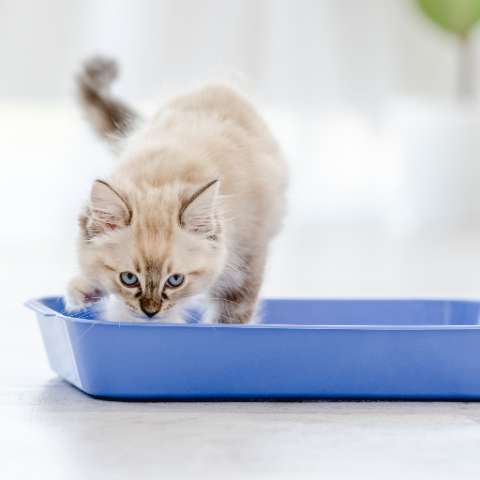
How Many Litter Boxes Should You Have Per Cat?
The most commonly recommended starting point is one litter box per cat, plus one additional box.
That means a household with one cat should ideally have two litter boxes, while a household with two cats should consider three.
Here's a quick reference for planning your setup:
| Number of Cats | Recommended Litter Boxes |
|---|---|
| 1 cat | 2 litter boxes |
| 2 cats | 3 litter boxes |
| 3 cats | 4 litter boxes |
| 4 cats | 5 litter boxes |
| 5 cats | 6 litter boxes |
This guideline is often called the plus-one rule.
It's a helpful starting point rather than an absolute requirement for every household. Your cats' personalities, relationships, mobility, and available space also matter.
Most importantly, the boxes need to be clean, comfortable, and located where every cat can access them without feeling threatened.
Why Do Cats Need More Than One Litter Box?
Cats appreciate having choices, especially when it comes to something as important as using the bathroom.
Even cats who sleep together, groom one another, and seem inseparable may prefer separate litter boxes.
Some cats like to urinate in one box and defecate in another. Others avoid a box immediately after another cat has used it.
In multi-cat households, one cat may also block access to a litter box without obvious fighting.
For example, a confident cat might sit in a doorway or hallway, making a more timid housemate reluctant to pass.
Providing multiple boxes in different locations reduces the chance that a dirty, occupied, or guarded litter box becomes your cat's only option.
If your cats are having trouble sharing space, our guide to understanding aggression and territorial behavior in cats
How Many Litter Boxes Do You Need for One Cat?
For a single cat, two litter boxes are a good starting point.
Having an additional box gives your kitty another choice if the first becomes dirty, temporarily inaccessible, or simply less appealing.
Some single-cat households manage successfully with one carefully maintained litter box, particularly when space is limited.
However, a second box is worth considering if your cat occasionally has accidents, seems unusually particular about cleanliness, or spends time in different parts of the home.
Even a cat who has used one litter box for years may benefit from an additional option as they get older.
How Many Litter Boxes Do You Need for Two Cats?
For two cats, the usual recommendation is three litter boxes.
It's tempting to assume that two cats who get along beautifully will happily share a single box. They might, but that doesn't necessarily mean it's their preferred arrangement.
Providing three boxes gives both cats more opportunities to choose a comfortable location.
Try placing the boxes in different areas rather than lining all three up against the same wall.
If one cat dislikes a particular location or feels uncomfortable approaching another cat, they should still have an accessible alternative.
How Many Litter Boxes Do You Need for Three Cats?
For three cats, start with four litter boxes.
As the number of cats increases, the placement of those boxes becomes especially important.
Four boxes in one laundry room may technically meet the plus-one recommendation, but they don't offer much flexibility if one cat avoids that room.
Instead, distribute the boxes among suitable locations so your cats have more than one route to a bathroom area.
Pay attention to whether certain cats consistently use particular boxes or avoid others.
Those preferences can help you decide whether your arrangement needs adjusting.
How Many Litter Boxes Do You Need for Four Cats?
For four cats, the plus-one rule suggests five litter boxes.
However, the number alone doesn't guarantee a successful arrangement.
In a four-cat household, you may have one kitty who prefers a particular room, another who dislikes covered boxes, and a third who wants a litter box with a clear view of the surrounding area.
Observe each cat's preferences and consider whether all four can access clean boxes without competing for the same space.
If your cats share a relatively small home, prioritize distributing boxes among available areas rather than crowding them all into one location.
Our guide to creating a cat-friendly home
Do You Need More Litter Boxes in a Multi-Story House?
If your home has more than one floor, try to provide at least one accessible litter box on every level your cats regularly use.
This is especially important for kittens, senior cats, and cats with mobility limitations.
A cat shouldn't have to climb a flight of stairs every time they need to use the bathroom if doing so is uncomfortable or difficult.
In larger homes, boxes placed far apart may be more useful than several boxes clustered together.
Remember that the plus-one recommendation and the number of floors are both planning considerations. The goal is convenient, safe access rather than following a formula without considering your cats' needs.
Where Is the Best Place to Put a Cat Litter Box?
Choosing the right location can be just as important as choosing the right number of boxes.
Choose Quiet but Accessible Areas
Cats generally appreciate some privacy, but they also need to feel safe while using the bathroom.
Look for locations with reasonable ventilation, easy access, and enough room for your cat to enter and leave comfortably.
Avoid areas where noisy appliances frequently start unexpectedly or where other pets may corner a cat.
Don't Put Every Litter Box in the Same Room
Several litter boxes placed side by side may look organized, but they don't always provide meaningful alternatives.
If one cat guards the room or another dislikes entering it, every box may effectively become unavailable.
Spreading boxes throughout the home helps reduce this problem.
Keep Litter Boxes Away From Food and Water
Whenever possible, separate litter boxes from feeding and drinking stations.
Most cats prefer not to eat and eliminate in the same immediate area.
If your home is small, try using opposite sides of a room or other practical separation rather than placing food bowls directly beside the litter box.
Make Sure Your Cat Has an Escape Route
Some cats dislike using a box in a tight corner where another animal can block the only exit.
Open, accessible locations may be especially helpful when household cats have territorial disagreements.
Our guide to calming stressed cats
How Do You Fit Multiple Litter Boxes Into a Small Home?
Finding room for several litter boxes can be challenging, especially in apartments, smaller houses, or homes with limited floor space.
Start by identifying quiet areas that your cats already use comfortably.
A spare bedroom corner, a suitably ventilated hallway area, or another accessible location may work better than forcing every box into a laundry closet.
Avoid placing litter boxes where doors can accidentally close and trap a cat away from their bathroom.
Don't sacrifice adequate box size simply to squeeze more boxes into a small space.
And while decorative litter box furniture can sometimes help with appearance, enclosed cabinets may be too cramped or poorly ventilated for certain cats.
Choose arrangements based on your cats' comfort rather than how effectively the boxes can be hidden from visitors.
Does the Size of the Litter Box Matter?
Absolutely!
Even if you have enough boxes, your cat may avoid using them if they're too small.
A common guideline is to choose a litter box approximately one and a half times your cat's body length, measured from the nose to the base of the tail.
Your cat should be able to enter, turn around, dig, and position themselves comfortably.
Larger cats may need oversized boxes, while kittens and cats with mobility problems may benefit from lower entrances.
If your cat consistently hangs over the edge, struggles to turn around, or eliminates just outside the box, check whether the box is large enough.
Are Covered or Uncovered Litter Boxes Better?
There's no single answer that works for every cat.
Some cats use covered litter boxes without hesitation. Others dislike the confined space, limited visibility, or odors that accumulate beneath the cover.
Uncovered boxes often provide more room and clearer escape routes, particularly in multi-cat households.
Covered boxes may reduce visible litter scatter, but they can also make it easier for owners to overlook accumulated waste.
If you're unsure which style your cat prefers, offer both types and observe their choices.
Regardless of the design, choose a box large enough for comfortable movement and maintain a consistent cleaning routine.
What Type of Cat Litter Should You Use?
The best litter is one your cat accepts and that you can maintain consistently.
Many cats prefer an unscented, fine-textured litter, although individual preferences vary.
Clumping litter makes it easier to remove urine during daily scooping, while non-clumping varieties absorb moisture without forming firm clumps.
Other considerations include dust, tracking, absorbency, and whether your cat has specific medical or mobility needs.
Our comparison of clumping and non-clumping cat litter
If your cat is comfortable with their current litter, avoid sudden changes unless your veterinarian recommends them.
How Often Should You Clean Multiple Litter Boxes?
Having additional boxes doesn't mean you can clean them less frequently.
Scoop solid waste and urine clumps at least once daily, and more often when necessary.
In a multi-cat household, scooping morning and evening may help prevent waste from accumulating.
Replace litter and wash the boxes according to the product's instructions and how heavily each box is used.
Use a mild, cat-safe cleaning method, rinse thoroughly when appropriate, and allow the boxes to dry before refilling.
Avoid strong fragrances, essential oils, and harsh chemical mixtures around litter boxes.
Our guide to keeping your cat's litter box smelling fresh
How Can You Tell if Your Cat Doesn't Like Their Litter Box?
Cats don't always make their preferences obvious.
Some continue using an uncomfortable box until a problem becomes more serious.
Watch for behaviors such as:
- Hesitating before entering the litter box
- Standing partly outside the box while eliminating
- Leaving immediately without covering waste
- Consistently choosing one box while avoiding another
- Urinating or defecating beside the box
- Waiting until another cat leaves the area before approaching
These behaviors may suggest a problem with the box, litter, location, or household dynamics.
However, litter box changes can also indicate medical conditions, so don't assume the cause is behavioral.
Why Is My Cat Suddenly Peeing Outside the Litter Box?
A cat who suddenly stops using the litter box may be experiencing discomfort, illness, stress, or dissatisfaction with the bathroom arrangement.
Urinary tract problems, constipation, arthritis, and other medical conditions can contribute to litter box avoidance.
Household changes, unfamiliar pets, dirty boxes, and competition for resources may also play a role.
Schedule a veterinary examination when your cat develops a new elimination problem.
A cat repeatedly straining to urinate while producing little or no urine needs emergency veterinary attention. Urinary obstruction can become life-threatening, particularly in male cats.
Our guide to solving common litter box problems
For other changes that may signal illness, read our guide to early warning signs that your cat may be sick.
Special Litter Box Considerations for Kittens and Senior Cats
Choosing Litter Boxes for Kittens
Kittens need boxes that are easy to enter and exit.
Low-sided boxes may be more comfortable for very young kittens than tall containers.
Keep the box close enough that your kitten can find it easily, especially while they're adjusting to a new home.
Ask your veterinarian which litter is appropriate for your kitten's age, particularly if they attempt to eat litter.
Helping Senior Cats Use the Litter Box
Older cats may develop arthritis, reduced mobility, or other conditions that make litter box access more difficult.
A box with a low entrance can reduce the need to step over a high edge.
Place boxes near the areas where your senior cat spends most of their time, and avoid requiring them to climb stairs unnecessarily.
If your older cat suddenly begins having accidents, seek veterinary advice rather than assuming it's simply part of aging.
How to Organize Litter Box Supplies in a Multi-Cat Household
When you have several cats, maintaining multiple litter boxes becomes easier with a consistent cleaning routine.
Keep a dedicated litter scoop, waste bags, and appropriate cleaning supplies near each litter area when practical.
Store cleaning chemicals securely and make sure curious cats cannot reach waste bags, loose plastic, or other potentially hazardous materials.
Some cat parents find it helpful to keep a simple written schedule for scooping, changing litter, and thoroughly washing boxes.
Our Cat Head Binder Clips add feline personality to organizing printed household schedules, veterinary records, and other paperwork.
For a decorative touch in a nearby utility area, the Hold Your Kitties! Adhesive Cat Hooks can hold appropriately lightweight household items when installed according to their instructions.
These are office and decorative accessories for people, not litter box equipment. Keep small components, hanging items, and cleaning supplies safely away from pets.
Cat-Themed Accessories for a Home Shared With Cats
Sharing your home with cats means making room for their everyday needs while still creating a space that feels comfortable and welcoming to you.
Once your kitties have appropriate litter box locations, scratching surfaces, and resting areas, a few feline-inspired decorations can bring personality to the surrounding rooms.
Our Cat Curtain Hooks add a decorative feline silhouette to suitable window treatments.
If you enjoy displaying pictures of your feline family, the Wood Clothespin Photo Holder offers a playful way to show off favorite photographs.
For a cozy reading corner, the Cats and Books Square Pillow celebrates two favorite companions for a quiet afternoon.
Another option is the Do What I Want Square Pillow, a fitting sentiment for anyone who shares their home with an independent-minded kitty.
Browse our Cat Home Décor Collection for more feline-inspired decorating ideas.
Make Everyday Household Cleaning a Little More Fun
Living with cats involves plenty of daily housekeeping, from cleaning food bowls to wiping countertops and tidying up the areas surrounding their favorite resting spots.
For ordinary kitchen cleaning, our Keep Things Clean Cat Kitchen Sponges add a playful feline touch to household chores.
These sponges are intended for kitchen use, not for cleaning litter boxes or handling pet waste. Always keep kitchen cleaning equipment separate from litter box supplies.
Explore our Home & Kitchen Collection for additional cat-themed household accessories.
Little Treats for the Humans Who Scoop the Litter
Let's face it: keeping several litter boxes clean isn't exactly the glamorous part of being a cat parent!
But the reward is a home filled with happy, comfortable kitties who know they can count on you.
When it's time to relax after the daily chores, our Sparkly Cat Cup with Straw adds feline charm to your favorite cold beverage.
Our Drink Coffee, Pet Cats Makeup Bag is another fun accessory for anyone whose daily routine revolves around caffeine and cats.
For a smaller surprise, the Cat Ear Card Wallet adds a playful feline touch to everyday essentials, while the Rhinestone Cat Keychain brings a little sparkle to keys or a handbag.
Browse our Cat Makeup Bags Collection for more practical accessories designed for cat lovers.
Affordable Cat Gifts and Stocked Favorites
Whether you're shopping for another devoted cat parent or treating yourself to a little something, Happy Little Kitty offers feline-inspired accessories for a variety of occasions.
Explore our Cat Gifts Under $5 and Cat Gifts Under $10 collections for affordable surprises.
Our Sale Collection features discounted merchandise, while the Ships Same Day Collection includes stocked accessories eligible for prompt dispatch.
Same-day shipping refers to eligible order dispatch, not guaranteed same-day delivery.
Frequently Asked Questions About Cat Litter Boxes
How many litter boxes do I need for one cat?
Two litter boxes are a commonly recommended starting point. A second box provides another option if the first becomes dirty or inaccessible.
How many litter boxes should two cats have?
Three litter boxes are generally recommended for two cats. Place them in separate locations whenever practical.
How many litter boxes do three cats need?
The plus-one rule suggests four boxes for three cats. Make sure the boxes are distributed so every cat can access a comfortable bathroom area.
How many litter boxes do four cats need?
Five boxes are a useful starting point for four cats, although placement, cleanliness, and individual preferences are just as important as the number.
Can two cats share one litter box?
Some cats will share, but providing multiple boxes reduces competition and gives each cat additional choices.
Do bonded cats still need separate litter boxes?
Even cats who sleep and groom together may prefer separate bathroom areas. A close relationship doesn't guarantee identical litter box preferences.
Is it okay to put all the litter boxes together?
It's generally better to distribute boxes throughout the home. Several boxes in one room may not provide useful alternatives if a cat avoids that location.
Do I need a litter box on every floor?
Providing at least one accessible box on every floor your cats regularly use is helpful, particularly for kittens and senior cats.
What size litter box is best for a large cat?
A common guideline is a box approximately one and a half times your cat's body length, measured from nose to the base of the tail.
Are covered litter boxes better for odor control?
Covered boxes may contain some litter scatter, but they can also trap odors inside. Regular scooping and cleaning are more important. Our litter box odor-control guide
Should I use clumping or non-clumping cat litter?
Both have advantages. Clumping litter makes urine easier to remove during scooping, while non-clumping products offer different textures and materials. Read our clumping versus non-clumping litter comparison.
How often should I scoop litter boxes in a multi-cat home?
Scoop at least once daily, and more frequently when necessary. Many multi-cat households benefit from morning and evening cleaning.
Can too few litter boxes cause cats to fight?
Competition for limited bathroom resources can contribute to tension. Our guide to feline aggression
Why is my cat suddenly avoiding the litter box?
Possible causes include illness, pain, stress, litter preferences, or poor box placement. Our guide to common litter box problems
Is straining to urinate an emergency for cats?
Yes. A cat repeatedly straining while producing little or no urine needs emergency veterinary care because urinary obstruction can become life-threatening.
Do kittens need smaller litter boxes?
Kittens often benefit from low-sided boxes that are easy to enter and exit. Ask your veterinarian which litter is appropriate for your kitten's age.
What type of litter box is best for a senior cat?
A roomy box with a low entrance and easy access may be more comfortable for an older cat with mobility limitations.
Can stress cause litter box accidents?
Yes. Stress can contribute to litter box avoidance, but medical causes should be investigated first. Our guide to calming stressed cats
How can I organize litter box cleaning supplies?
Keep dedicated scoops and waste supplies conveniently located but inaccessible to pets. Our Hold Your Kitties! Adhesive Cat Hooks
What cat-themed accessories can help organize household paperwork?
Our Cat Head Binder Clips add feline personality to printed schedules and household records. Keep small office supplies away from curious pets.
Do you sell cat-themed household cleaning accessories?
Yes. Our Keep Things Clean Cat Kitchen Sponges
What are some cat-themed gifts for someone with multiple cats?
Our Wood Clothespin Photo Holder is a fun way to display pictures of a feline family, while the Cats and Books Square Pillow adds personality to a reading corner.
Where can I find affordable cat lover gifts?
Browse our Cat Gifts Under $5, Cat Gifts Under $10, and Sale Collection.
Do you have cat gifts that ship quickly?
Our Ships Same Day Collection features stocked accessories eligible for prompt dispatch. Delivery times depend on the shipping service and destination.
Give Every Kitty a Comfortable Place to Go
When it comes to litter boxes, having a few extra options can make life easier for everyone.
The one-box-per-cat-plus-one guideline is a useful starting point, but the real goal is to create a home where every cat feels comfortable, safe, and able to reach a clean litter box whenever they need one.
Pay attention to your cats' habits, adjust locations when necessary, and maintain a consistent cleaning routine. Even small changes can help reduce stress and make multi-cat life more harmonious.
And when you're ready to add a little feline personality to the rest of your home, explore Happy Little Kitty's Home & Kitchen Collection and Ships Same Day Collection for accessories designed for the humans who love cats.
Your kitties may never thank you for your thoughtful bathroom arrangements, but a comfortable, clean, and happy feline household is a pretty wonderful reward.
Leave a comment