

How to Choose the Best Cat Litter: A Practical Guide for Cat Owners
Choosing the right cat litter might not be the most exciting part of sharing your home with a feline friend, but it can make a big difference in your cat's comfort and your daily cleaning routine. With so many options available, from traditional clumping clay to natural pellets and crystal litter, finding the right formula can feel overwhelming.
The good news? You don't need to buy the most expensive litter or chase every new product on the market. The best cat litter is one your cat feels comfortable using, that controls moisture and odors effectively, and that fits your household's needs and budget.
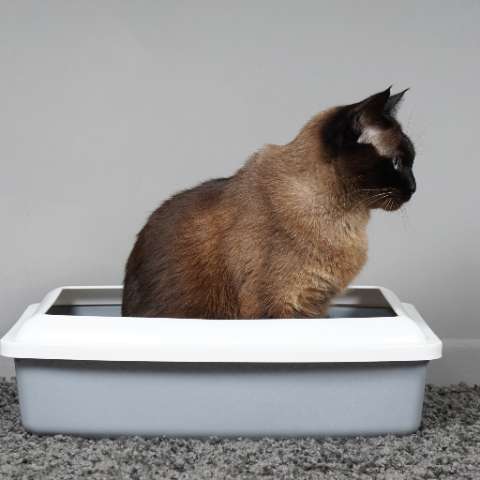
Whether you're welcoming a new kitten, caring for a senior cat, or managing a busy multi-cat household, this guide will help you compare litter types, understand your cat's preferences, and keep your home feeling fresh. We'll also share a few practical ways to make everyday life with cats more organized, comfortable, and a little more fun.
1. Understand the Different Types of Cat Litter
The first step in choosing cat litter is understanding the materials available and how they work. Different formulas vary in absorbency, texture, odor control, dust, tracking, and cleaning requirements.
Clumping Clay Cat Litter
Clumping clay litter is a popular choice because it forms scoopable clumps when exposed to urine. Most formulas use bentonite clay, which absorbs moisture and helps separate soiled litter from clean litter.
This makes daily maintenance relatively convenient. Instead of replacing the entire box each time, you can scoop out clumps and solid waste, then replenish the litter as needed.
However, some clumping litters create dust or track onto surrounding floors. Look for low-dust formulas if airborne particles are a concern.
Non-Clumping Cat Litter
Non-clumping litter absorbs moisture without forming firm urine clumps. It's available in several materials, including certain clay, paper, and wood-based formulas.
Because urine can't always be removed in individual clumps, non-clumping litter generally requires more thorough replacement of soiled material.
Some cats prefer its texture, while others favor fine-grained clumping litter. The best choice depends on your cat's preferences and your cleaning routine.
For a closer comparison, read our guide to clumping vs. non-clumping cat litter.
Natural and Plant-Based Cat Litter
Natural cat litter may be made from pine, paper, corn, wheat, walnut shells, or other plant-derived materials.
Some formulas are lightweight, while larger pellets may help reduce tracking. Certain plant-based litters clump, while others are designed to absorb moisture without forming clumps.
Natural doesn't automatically mean dust-free or suitable for every cat. Compare ingredients, texture, absorbency, and disposal instructions before switching.
Crystal Cat Litter
Crystal litter typically uses absorbent silica gel granules to manage moisture and odors. Many formulas are non-clumping, although individual products vary.
Some cat owners appreciate the moisture absorption, while some cats dislike the feel of the crystals beneath their paws.
As with any litter, follow the manufacturer's directions for scooping, stirring, and replacing the material.
2. Consider Your Cat's Individual Needs
Every cat has preferences, and litter is no exception. Some cats happily use almost any material, while others strongly prefer a particular texture or scent.
Many cats prefer soft, fine-grained, unscented litter. But the best way to evaluate a new product is to observe how your own kitty responds.
Does your cat enter the box willingly, dig comfortably, and cover waste? Or does your cat hesitate, perch awkwardly on the edge, or leave quickly?
Those behaviors can provide clues about comfort, although box size, cleanliness, location, and medical issues may also contribute.
Choosing Cat Litter for Kittens
Very young kittens sometimes investigate unfamiliar materials by tasting them. Because swallowing litter can be harmful, ask your veterinarian which formula is appropriate for your kitten's age and behavior.
Some veterinarians recommend suitable non-clumping litter for very young kittens, especially those that may ingest litter.
Choose an easy-to-enter litter box and keep it in a quiet, accessible location.
Choosing Cat Litter for Senior Cats
Older cats may develop arthritis or mobility limitations that make climbing into a high-sided box difficult.
For senior cats, prioritize a comfortable litter texture and an accessible box with a low entrance. Place boxes where your cat doesn't have to navigate difficult stairs or obstacles.
If your older cat suddenly stops using the box, consult your veterinarian rather than assuming the problem is simply age-related.
3. Look for Effective Odor Control Without Overpowering Fragrance
One of the biggest reasons cat owners switch litter is odor control. Nobody wants an unpleasant-smelling litter box, particularly in a small home or multi-cat household.
However, heavily fragranced litter isn't necessarily the answer.
Cats have sensitive noses, and strong artificial scents may discourage some from using the box. Unscented litter is often a good starting point, especially for cats that have previously avoided scented products.
Effective odor management depends on moisture absorption, regular waste removal, and keeping the box clean.
Scoop waste at least once daily, and more often when needed. Replace litter and wash the box according to the manufacturer's instructions.
For more ideas, explore our article on how to keep your cat's litter box smelling fresh.
4. Choose a Low-Dust, Low-Tracking Litter When Possible
Cat litter doesn't always stay where it belongs. Some cats enthusiastically dig and scatter litter, while others carry small particles out of the box on their paws.
Fine-grained litter can be comfortable for cats but may track farther across the floor. Larger pellets may reduce tracking, although some cats dislike their texture.
A litter-catching mat can help collect loose particles near the box, while regular vacuuming or sweeping keeps the surrounding area tidy.
Dust is another consideration. Some litters release visible particles when poured or disturbed. If dust bothers you or your cat, compare low-dust formulas and observe how they perform during everyday use.
Remember that your cat's willingness to use the litter is more important than achieving a perfectly spotless floor.
5. Keep Your Entire Cat-Loving Home Clean and Comfortable
Choosing the right litter is only one part of maintaining a comfortable home with cats. Between scattered litter, shed fur, spilled water, and everyday household messes, cat owners know that cleaning is simply part of the routine.
Fortunately, practical household accessories can make everyday chores a little more enjoyable.
Make Kitchen Cleanup a Little More Fun
For the kitchen side of your cleaning routine, our Keep Things Clean Cat Kitchen Sponges bring a cheerful feline touch to ordinary dishwashing and countertop cleanup.
Each set includes eight cat-shaped sponges in gray, black, white, and tan, with two cleaning surfaces for everyday kitchen tasks.
They're a fun alternative to ordinary dish sponges and a practical addition to any cat lover's home. Just remember to keep kitchen-cleaning supplies separate from anything used to clean litter boxes or pet waste.
Explore our Cat Kitchen Essentials Collection for more useful feline-inspired cooking, baking, and cleanup accessories.
Keep Everyday Household Essentials Organized
A well-organized home makes caring for cats easier. Keep litter scoops, waste bags, and other pet-cleaning supplies in a designated location away from food preparation areas.
In the rest of your home, practical decorative accessories can help everyday spaces feel more personal.
Our Home & Kitchen Collection includes cat-themed kitchen gadgets, decorative accessories, and useful little finds that celebrate feline companionship.
For an easy kitchen refresh, browse our Cat Kitchen Towels Collection, featuring everyday and seasonal designs for cat-loving households.
These accessories won't replace good litter box maintenance, but they can make the other parts of your household routine a little more enjoyable.
6. Provide Enough Litter Boxes for Every Cat
Choosing excellent litter won't solve every bathroom problem if your cats don't have enough places to use it.
A commonly recommended starting point is one litter box per cat, plus one additional box. For example, a two-cat household would ideally have three boxes, while a four-cat household would have five.
Place boxes in separate, accessible locations rather than grouping them all together. This gives cats more choices and may reduce competition between household pets.
In multi-cat homes, frequent scooping is particularly important because waste accumulates quickly.
Read our guide to how many cat litter boxes you need for more tips on choosing the right number and locations.
7. Compare the True Cost of Different Cat Litters
Cat litter prices vary widely, and the least expensive bag isn't always the most economical choice.
A lower-priced litter that requires frequent complete replacement may cost more over time than a clumping formula that allows you to remove soiled portions while keeping the remaining litter usable.
Consider how much litter you use, how often you replace it, how well it controls odors, and whether your cat actually likes it.
Buying in bulk may save money if you've already found a formula that works well. But avoid stocking up on unfamiliar litter until you're confident your cat will use it.
And if you're trying to keep the overall cost of cat ownership manageable, saving on everyday household purchases can help leave more room in your budget for essential pet supplies and veterinary care.
For affordable feline-themed household accessories and gifts, browse our Sale Items Collection, where you'll find discounted kitchen accessories, decorative items, and other cat lover favorites.
8. Switch Cat Litter Gradually
Even when a new litter seems like a better choice, switching too quickly may cause your cat to avoid the box.
One option is to offer a second box containing the new litter while keeping the familiar litter available. This allows your cat to explore the alternative without losing access to the original setup.
Some cats also tolerate gradual mixing of old and new litter, although others dislike mixed textures.
Watch your cat's behavior closely. If your kitty seems reluctant to use the new litter, slow the transition and consider returning to the familiar formula.
If litter box avoidance begins suddenly, contact your veterinarian to rule out medical problems.
Our guide to solving common litter box issues explains other reasons cats may refuse to use their boxes.
9. Celebrate the Cat-Loving Home You've Created
Life with cats comes with responsibilities, from scooping litter boxes to keeping feeding areas clean and making sure every feline has a comfortable place to rest.
But it also comes with plenty of little joys: a sleepy cat curled up beside you, an enthusiastic greeting at mealtime, or a curious kitty supervising everything you do.
For cat lovers who enjoy bringing a little feline personality into their homes, practical accessories can make everyday routines more cheerful.
Our Ultimate Cat Lover's Kitchen Gift Bundle includes four useful cat-themed kitchen accessories: a cat coffee spoon, a cat spatula, a cat-shaped vegetable peeler, and a cat cookie cutter.
It's a thoughtful gift for someone who loves cats and enjoys cooking, baking, or entertaining. It also makes a fun housewarming or cat adoption celebration gift.
For individual kitchen essentials, our Rise and Shine Cat Spatula adds personality to everyday cooking, while the Keep Things Clean Cat Kitchen Sponges make ordinary dishwashing a little more entertaining.
If you're shopping for a fellow cat lover, explore our Ships Same Day Collection for select in-stock accessories and gifts eligible for same-business-day dispatch under our shipping policy.
Frequently Asked Questions About Choosing Cat Litter
What type of cat litter is best for most cats?
Many cats prefer soft, fine-grained, unscented litter, but individual preferences vary. The best litter is one your cat willingly uses, that absorbs moisture effectively, and that you can maintain consistently.
Is clumping or non-clumping cat litter better?
Clumping litter makes urine removal easier because it forms scoopable clumps. Non-clumping litter absorbs moisture without forming firm clumps and may require more thorough replacement. Both can work well depending on your cat's preferences and cleaning routine. Learn more in our Cat Litter FAQs: Clumping vs. Unclumping.
Is unscented cat litter better than scented litter?
Unscented litter is often a good choice because cats can be sensitive to strong fragrances. Regular cleaning is generally more effective for managing odors than relying on perfume to cover unpleasant smells.
What cat litter tracks the least?
Some larger-pellet litters may track less than fine-grained formulas, but results depend on your cat's paws, digging habits, and litter box setup. A litter-catching mat can help reduce particles scattered around the box.
What is the best low-dust cat litter?
Dust levels vary by brand and formula. Look for products labeled low-dust and pay attention to how much dust they produce when poured, scooped, and used by your cat.
Can kittens use clumping cat litter?
Ask your veterinarian which litter is appropriate for your kitten's age and behavior. Some veterinarians recommend non-clumping litter for very young kittens that may accidentally ingest litter.
What cat litter is best for senior cats?
Choose a comfortable litter texture and a roomy box with a low entrance. Accessibility is especially important for older cats with arthritis or mobility limitations.
How often should I clean a cat litter box?
Scoop waste at least daily and more frequently when needed. Replace litter and wash the box according to the manufacturer's instructions, adjusting for the number of cats using it. Read our guide to keeping your cat's litter box smelling fresh for additional tips.
How many litter boxes should I have for multiple cats?
A common starting recommendation is one box per cat, plus one extra. Place boxes in separate accessible locations and keep them clean. Our guide to how many litter boxes cats need explains this in more detail.
Why does my cat suddenly refuse to use the litter box?
Your cat may dislike the litter texture, fragrance, cleanliness, or location. Stress and medical problems can also cause litter box avoidance. Contact your veterinarian if your cat suddenly changes bathroom habits. Repeated straining or inability to urinate requires immediate veterinary attention.
Can I switch cat litter brands without upsetting my cat?
Some cats accept new litter easily, while others prefer a gradual transition. Try offering a separate box with the new formula while keeping the familiar litter available, and observe your cat's response.
How can I keep my home clean when I have several cats?
Provide enough litter boxes, scoop frequently, vacuum or sweep tracked litter, and keep pet-cleaning supplies separate from kitchen supplies. For everyday kitchen cleanup, our Keep Things Clean Cat Kitchen Sponges offer a practical, feline-inspired alternative to ordinary dish sponges.
Where can I find cute household accessories for cat lovers?
Explore the Happy Little Kitty Home & Kitchen Collection for cat-themed kitchen gadgets, decorative accessories, and household gifts. Our Cat Kitchen Essentials Collection features practical cooking, baking, and cleaning accessories for cat-loving homes.
What are useful housewarming gifts for cat owners?
Our Ultimate Cat Lover's Kitchen Gift Bundle includes four practical feline-themed kitchen tools, making it a thoughtful housewarming gift. You can also pair the Keep Things Clean Cat Kitchen Sponges with accessories from our Cat Kitchen Towels Collection.
Do you offer affordable cat-themed household gifts?
Yes! Our Sale Items Collection features discounted cat-themed kitchen accessories, home essentials, and gifts. For select in-stock items ready for quick dispatch, browse our Ships Same Day Collection.
A Happier Cat Starts with the Right Litter
Choosing the right cat litter comes down to finding a balance between your cat's comfort, effective odor control, manageable cleanup, and your household budget. Whether you prefer clumping clay, non-clumping formulas, natural alternatives, or crystal litter, pay attention to how your kitty responds and make changes gradually.
A clean, accessible litter box is one of the simplest ways to support your cat's everyday comfort. And while scooping litter may never become your favorite chore, the companionship, affection, and entertainment our feline friends bring into our lives make the extra effort worthwhile.
For more ways to bring feline personality into your daily routine, explore the Happy Little Kitty Home & Kitchen Collection, where you'll find practical cat-themed accessories, thoughtful gifts, and little touches that make a cat-loving house feel even more like home.
Leave a comment