

What's the Best Cat Food Bowl? Materials, Size & Feeding Tips
Choosing a food bowl for your cat might seem like one of the easiest decisions you'll make as a pet owner. After all, it's just a bowl, right? But take one look at all the options available, and suddenly you're comparing stainless steel, ceramic, plastic, shallow dishes, elevated feeders, and automatic food dispensers.
And while you might be tempted to choose whichever bowl looks cutest in your kitchen, your cat may have other priorities. The shape, size, material, and placement of a food bowl can all influence how comfortable your kitty feels during mealtime.
Whether you're shopping for your first kitten, replacing an old feeding dish, or trying to make mealtime more comfortable for a picky eater, here's everything you need to know about choosing the best cat food bowl for your furry friend.
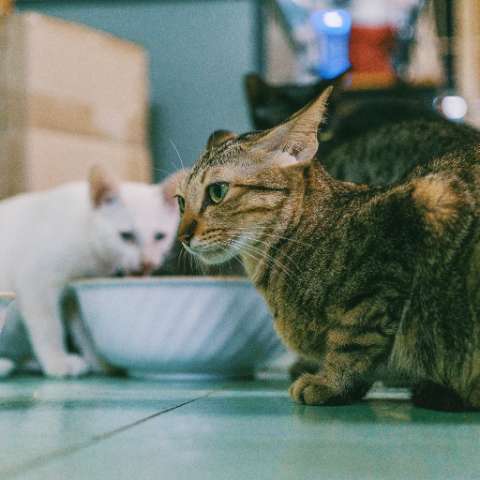
Why Does Your Cat's Food Bowl Matter?
Your cat probably spends a relatively small part of the day eating, but the right feeding setup can make those moments more comfortable.
A bowl that's too narrow may cause some cats to repeatedly brush their whiskers against the sides. A lightweight dish might slide across the floor while your kitty eats. A bowl that's difficult to clean can develop food residue that makes it less hygienic.
Some cats are particular about the location of their food, while others prefer eating from a shallow dish rather than reaching into a deep bowl.
There isn't one perfect bowl for every feline. The best choice is a food-safe, easy-to-clean dish that suits your cat's size, eating habits, and individual preferences.
What Is the Best Material for a Cat Food Bowl?
One of the first decisions you'll face is choosing between stainless steel, ceramic, glass, and plastic. Each material has advantages and disadvantages, but durability and ease of cleaning should be high on your list of priorities.
Stainless Steel Cat Food Bowls
Stainless steel is a practical choice for many cat owners. Good-quality stainless steel bowls are durable, nonporous, and generally easy to clean.
They don't break as easily as ceramic or glass, and many are dishwasher-safe. Stainless steel bowls are also available in shallow designs, which may be more comfortable for cats that dislike deep dishes.
One potential drawback is that lightweight stainless steel bowls can slide around on smooth floors. A nonslip base or feeding mat can help keep them in place. Some cats may also dislike the sound of a metal bowl moving or their collar tag tapping against it.
For most households, a sturdy, food-grade stainless steel bowl is an excellent starting point.
Ceramic Cat Food Bowls
Ceramic bowls are popular because they're available in so many attractive colors, patterns, and shapes. They're often heavier than stainless steel or plastic dishes, which can help prevent enthusiastic eaters from pushing them around.
A properly glazed, food-safe ceramic bowl is generally easy to clean and can be a good option for everyday feeding.
However, ceramic can chip or crack if dropped. Damaged surfaces may become harder to clean thoroughly and can create sharp edges. Choose a bowl specifically intended for food use, and replace it if the glaze becomes damaged or the bowl develops cracks.
Not all decorative pottery is appropriate for pet feeding, so avoid using unverified decorative dishes as food bowls.
Glass Cat Food Bowls
Glass is another option worth considering, especially if you prefer a smooth, nonporous surface.
Food-safe glass bowls are easy to inspect for residue and can often be cleaned in the dishwasher when the manufacturer permits it. They're available in shallow dishes that some cats may find comfortable.
The main disadvantage is breakage. Glass bowls can chip, crack, or shatter if dropped, so inspect them regularly and replace damaged dishes.
Plastic Cat Food Bowls
Plastic bowls are lightweight, inexpensive, and widely available. They're also easy to find in different colors and designs.
However, plastic can become scratched with use, and those damaged areas may be more difficult to clean thoroughly.
Some cats develop irritation around the chin, although feline acne has multiple possible causes and isn't always related to the bowl material.
Plastic isn't automatically unsafe simply because it's plastic. Food-grade products in good condition can be used appropriately, but many owners prefer stainless steel, ceramic, or glass because they're durable and easier to maintain.
If you use plastic, choose a food-safe product, wash it regularly, and replace it when it becomes scratched or damaged.
Stainless Steel vs. Ceramic Cat Bowls: Which Is Better?
Both stainless steel and properly glazed ceramic can be excellent choices.
Stainless steel is especially appealing if you want something lightweight, durable, and resistant to breakage. Ceramic may be preferable if you want a heavier bowl that stays in place and complements your home's decor.
Whichever you choose, prioritize a smooth, undamaged, food-safe surface and a shape your cat enjoys using. A beautiful bowl isn't much use if your kitty refuses to eat from it!
What Size Food Bowl Does Your Cat Need?
When choosing a food bowl, think about both the size of your cat and the amount of food you normally serve.
A very small dish may crowd the food or make it difficult for your cat to eat comfortably. An unnecessarily large bowl may take up more space than needed, although a wide bowl isn't inherently a problem.
Instead of trying to match the bowl to your cat's body measurements, look for a dish that comfortably holds an appropriate portion without requiring your cat to squeeze their face into a narrow opening.
For many cats, the width and depth of the bowl matter more than its overall capacity.
If you feed wet food, a shallow dish can make it easier to spread the food out and prevent it from collecting in deep corners.
Are Wide, Shallow Cat Food Bowls Better?
Many cat owners find that wide, shallow bowls work well, particularly for cats that seem uncomfortable eating from narrow or deep dishes.
A shallow bowl gives your kitty room to reach their food without pushing their face far inside the container. It may also be easier to clean than a bowl with deep corners.
However, cats have individual preferences. Some happily eat from deeper dishes without any apparent discomfort.
If your cat repeatedly pulls food out of the bowl to eat it on the floor, leaves food around the edges, or seems hesitant to reach inside, trying a wider, shallower dish may be worthwhile.
What Is Whisker Fatigue in Cats?
You may have heard that cats need special bowls to prevent something called whisker fatigue.
Cat whiskers are highly sensitive sensory structures that help them gather information about their surroundings. When a cat eats from a narrow bowl, their whiskers may touch the sides repeatedly.
Some people believe that this contact causes discomfort or overstimulation, leading certain cats to avoid deep dishes. However, whisker fatigue as a specific clinical condition has not been firmly established by scientific research.
That doesn't mean bowl shape is irrelevant. Cats can have preferences, and some may find a wide, shallow dish more comfortable.
If your kitty seems unhappy with their current bowl, trying a different shape is a simple, low-risk adjustment. Persistent difficulty eating, however, should be evaluated by a veterinarian rather than attributed to whisker fatigue alone.
For a closer look at the science, possible signs of discomfort, and practical feeding solutions, read our guide to Whisker Fatigue in Cats: Signs, Myths & Solutions.
Are Elevated Cat Food Bowls Better?
Elevated feeders raise food dishes above floor level, allowing cats to eat without lowering their heads as far.
These feeders are often marketed as more comfortable for older cats or those with mobility limitations. Some individual cats may prefer an elevated setup, especially if bending down appears uncomfortable.
However, there isn't strong evidence that every cat benefits from elevated feeding or that raised bowls automatically improve digestion.
If your cat has arthritis, neck discomfort, or another mobility problem, ask your veterinarian whether changing the feeding height might help.
Choose a stable feeder at a comfortable height rather than assuming that taller is always better.
Should Cats Have Separate Food and Water Bowls?
Many cats do well when food and water are offered in separate containers, and some may prefer water placed away from their feeding area.
Providing multiple water stations around the house can encourage easy access to fresh drinking water. Keep both food and water away from litterboxes, and choose locations where your cat feels comfortable and secure.
If your cat enjoys drinking from moving water, a fountain may be worth considering. Learn more in our guide to cat water fountains, including their benefits, cleaning requirements, and how to introduce one to your kitty.
It's also worth remembering that wet food contributes to a cat's daily water intake. Our wet vs. dry cat food guide explains how moisture content differs between the two types of food.
Are Automatic Cat Feeders Worth It?
Automatic feeders can be convenient for cat owners who want to provide meals at consistent times. Many models dispense measured portions of dry food according to a programmed schedule.
This can be useful when your daily routine changes or when you need help managing regular mealtimes.
However, an automatic feeder isn't a substitute for checking your cat's appetite, monitoring food intake, or making sure they're healthy.
Feeders can malfunction, jam, or dispense inaccurate portions, so they should be tested and checked regularly.
If you're deciding whether to serve meals at specific times or allow your cat to graze, read Scheduled Feeding vs. Free Feeding: What's Best for Cats? It explains how feeding schedules affect portion control, appetite monitoring, and multi-cat households.
If your cat needs a prescription diet, medication with meals, or a specialized feeding plan, consult your veterinarian before relying on an automated system.
Are Slow-Feeder Bowls Good for Cats?
Some cats eat so quickly that they seem to inhale their meals.
A slow-feeder bowl or puzzle feeder may help spread food consumption over a longer period by requiring your cat to work around raised sections or retrieve smaller portions.
These products can also provide mental stimulation for cats that enjoy problem-solving.
However, not every cat appreciates a challenging feeding dish. Some may become frustrated or eat less than they need.
Choose a design appropriate for cats, make sure it's easy to clean, and monitor your kitty's response.
If your cat frequently vomits after meals or suddenly changes their eating behavior, seek veterinary advice rather than assuming that eating too quickly is the only cause.
What Is the Best Food Bowl for Wet Cat Food?
Wet food can stick to deep corners and narrow edges, making a shallow dish particularly convenient.
A smooth stainless steel, ceramic, or glass bowl can be easy to clean after meals. Choose a size that allows you to serve the appropriate portion without piling food into a narrow space.
Wet food shouldn't be left sitting out indefinitely. Follow the food manufacturer's handling instructions, refrigerate unused portions appropriately, and discard food that has been left out too long.
Wash the dish after each wet-food meal to remove residue.
If you're wondering whether canned food offers advantages beyond convenience and texture, our guide to wet and dry cat food compares moisture content, nutrition, storage, and feeding considerations.
What Is the Best Bowl for Dry Cat Food?
Dry food can be served in many different bowl shapes, so your cat's preferences and eating habits should guide your choice.
A shallow dish may work well for ordinary meals, while a puzzle feeder can provide additional enrichment for cats that enjoy the challenge.
Regardless of the bowl style, measure portions according to your cat's nutritional needs rather than relying on how full the dish looks.
For a closer look at feeding choices, explore What's the Purrfect Diet for Your Cat?, which discusses wet and dry food options.
What Kind of Food Bowl Is Best for Kittens?
Kittens need a feeding dish that's easy to reach and stable enough to stay in place while they eat.
A shallow bowl with a low rim is often a practical choice. A nonslip base or feeding mat can help prevent the dish from sliding around during enthusiastic meals.
Choose a food-safe material that's easy to wash, and avoid bowls with loose decorations or other parts that could become hazards.
As your kitten grows, you can reassess whether the bowl still provides enough space for comfortable feeding.
Remember that kittens generally need more frequent meals than adult cats. Our article on cat feeding schedules explains how feeding frequency can vary with age.
What Is the Best Cat Food Bowl for Senior Cats?
Older cats may experience arthritis, dental disease, or other conditions that make eating less comfortable.
A stable, shallow dish can be a good starting point, particularly if your cat has difficulty reaching food in a deep bowl.
Some senior cats may benefit from a slightly raised feeding surface, depending on their mobility and individual needs.
Keep the feeding area easily accessible and avoid placing bowls where your cat must jump or climb to reach them.
If an older cat begins dropping food, chewing differently, losing weight, or avoiding meals, schedule a veterinary examination. Dental pain and other medical conditions may be involved.
Choosing Food Bowls for Multiple Cats
If you share your home with more than one feline, mealtime can become a little complicated.
One cat may finish eating immediately, while another prefers to take their time. Some cats may guard food or push other pets away from their bowls.
Providing separate feeding stations can help reduce competition and make it easier to monitor individual appetites.
Place bowls far enough apart that each cat has room to eat without feeling crowded.
In households where cats require different diets or portion sizes, separate rooms or selective-access feeders may be useful.
Even cats that get along beautifully may appreciate a little personal space at dinnertime.
For more advice about monitoring food intake when several cats share a home, read Scheduled Feeding vs. Free Feeding for Cats. The article explains why measured meals can be especially helpful in multi-cat households.
Where Should You Put Your Cat's Food Bowl?
Location can be just as important as the bowl itself.
Choose a quiet, accessible area where your cat can eat without being startled or interrupted. Avoid placing the bowl immediately beside the litterbox.
Some cats also dislike eating in busy hallways or corners where they feel trapped.
If you have multiple cats, make sure each has a comfortable route to their feeding station without needing to pass a cat that may block access.
A washable feeding mat can help protect the floor and catch small spills.
If you enjoy keeping your feeding area tidy, explore our Cat Kitchen Essentials Collection for practical, cat-themed accessories for the people who share their homes with cats.
How Often Should You Wash Your Cat's Food Bowl?
Keeping food bowls clean is an important part of everyday pet care.
Wash wet-food dishes after each meal. Dry-food bowls should also be washed regularly, ideally daily, rather than simply being refilled over leftover crumbs and residue.
Use warm water and dish soap or follow the manufacturer's dishwasher instructions. Rinse thoroughly and allow the bowl to dry before refilling it.
Check for scratches, chips, cracks, and other damage that may make a bowl difficult to clean or unsafe to use.
Water bowls should be emptied, washed, and refilled with fresh water daily, or more frequently when needed.
For everyday cleanup around your own kitchen, our Keep Things Clean Cat Kitchen Sponges bring a little cat-inspired fun to washing dishes and wiping counters. Use a separate, appropriate cleaning method for pet bowls, rinse thoroughly, and keep used sponges away from cats that might chew them.
And while we're talking about drinking bowls, remember that milk isn't a replacement for fresh water. Many adult cats have difficulty digesting lactose. Our article Can Cats Drink Milk? explains why water is the better everyday choice.
How Do You Know If Your Cat Dislikes Their Food Bowl?
Cats can't tell us that they want a different dish, but their behavior may offer clues.
Some cats repeatedly pull food onto the floor before eating it. Others leave food around the sides of the bowl, hesitate before approaching, or seem uncomfortable reaching into a deep dish.
These behaviors don't automatically mean the bowl is the problem. Food preferences, dental pain, nausea, stress, and other issues can also affect eating habits.
If your cat is otherwise healthy and eating normally, trying a wider or shallower bowl may help you determine whether the shape makes a difference.
However, persistent appetite changes, weight loss, drooling, or difficulty chewing warrant veterinary attention.
Don't Forget About Portion Control
Even the best cat food bowl can't tell you how much food your kitty should eat.
A large bowl can make it tempting to serve more food than necessary, especially when a small portion looks lonely sitting at the bottom. But your cat's calorie needs depend on their age, activity level, body condition, and overall health—not the size of their dish.
Measuring food and monitoring your cat's weight can help prevent accidental overfeeding. For practical advice, read How to Help Your Cat Lose Weight Safely.
You can also explore Keeping Your Cat at a Healthy Weight for additional information about maintaining a healthy body condition.
And if your cat has a habit of investigating your dinner instead of their own, make sure you know which human foods to keep away from curious paws. Our article Don't Feed Your Cat These Foods! covers foods that can be harmful to cats.
Don't Forget About Style!
Once you've found a bowl that's safe, comfortable, and easy to clean, there's nothing wrong with choosing one that looks adorable in your home.
From cheerful colors and playful patterns to sleek, minimalist designs, cat food bowls are available in styles to suit almost any kitchen.
A ceramic dish with a cute cat design can add personality to a feeding station, while a simple stainless steel bowl may be the perfect choice for someone who values durability and convenience.
Just remember that decorative features should never interfere with safety or cleaning.
Your kitty probably won't care whether their bowl matches your kitchen decor, but you can certainly enjoy a little feline flair!
Want to carry that feline style beyond the feeding station? Browse our Cat Home & Kitchen Collection for cat-themed accents and kitchen accessories. Our Ultimate Cat Lover's Kitchen Gift Bundle brings together a coffee spoon, spatula, vegetable peeler, and cookie cutter for cat-loving cooks. These are human kitchen tools, not pet feeding equipment.
Frequently Asked Questions About Cat Food Bowls
What is the best type of food bowl for cats?
A wide, shallow, food-safe bowl made from stainless steel, properly glazed ceramic, or glass is a good starting point for many cats. The best option depends on your cat's preferences and needs.
Are stainless steel bowls better for cats?
Stainless steel bowls are durable, nonporous, and easy to clean, making them a practical choice. However, properly glazed ceramic and food-safe glass can also work well.
Are ceramic cat bowls safe?
Yes, when they're food-safe, properly glazed, and free from chips or cracks. Avoid using decorative pottery that isn't intended for food contact.
Are plastic food bowls bad for cats?
Plastic isn't automatically unsafe, but it can become scratched and harder to clean. Many owners prefer stainless steel, ceramic, or glass for everyday feeding.
Can plastic bowls cause feline acne?
Plastic bowls may be a contributing factor for some cats, particularly when scratched or poorly cleaned, but feline acne has multiple possible causes. Consult your veterinarian if your cat develops chin irritation.
What size bowl should I get for my cat?
Choose a bowl that comfortably holds an appropriate food portion and allows your cat to reach the food without squeezing their face into a narrow opening. For help managing portions, read Keeping Your Cat at a Healthy Weight.
Do cats prefer shallow or deep bowls?
Many cats seem comfortable with shallow, wide bowls, but preferences vary. If your cat struggles with a deep dish, try a shallower alternative.
What is whisker fatigue?
Whisker fatigue is a term used to describe possible discomfort from repeated whisker contact with a bowl. It hasn't been firmly established as a distinct clinical condition, although individual cats may prefer wider dishes. Read What Is Whisker Fatigue in Cats? Signs, Myths & Solutions for a more detailed explanation.
Are whisker-friendly cat bowls worth buying?
A wide, shallow bowl may be worth trying if your cat appears uncomfortable using a narrow dish. You don't necessarily need an expensive specialty product to provide that shape.
Should cats eat from elevated bowls?
Some cats may find a slightly elevated feeding position more comfortable, but raised bowls aren't necessary for every cat. Ask your veterinarian if your cat has mobility or medical concerns.
Do elevated cat bowls help with digestion?
There isn't strong evidence that elevated bowls routinely improve digestion in healthy cats. Persistent vomiting or feeding difficulties should be evaluated by a veterinarian.
What bowl is best for cats with arthritis?
A stable, easily accessible dish may help. Some cats benefit from a shallow bowl or a slightly raised surface, depending on their mobility and veterinary recommendations.
What is the best food bowl for kittens?
A shallow, stable, food-safe dish with a low rim is often a practical choice for kittens. Make sure it's easy to clean and doesn't slide around during meals.
Are automatic cat feeders a good idea?
Automatic feeders can help provide measured meals at consistent times, especially for busy households. They should be checked regularly and don't replace monitoring your cat's appetite. Learn more about different feeding routines in Scheduled Feeding vs. Free Feeding for Cats.
Do slow-feeder bowls work for cats?
Some cats benefit from slow feeders or puzzle feeders that encourage slower eating and provide enrichment. Others may find them frustrating, so monitor your cat's response.
Why does my cat take food out of the bowl?
Your cat may dislike the bowl's shape, prefer eating from a flat surface, or have another reason for the behavior. If it begins suddenly or is accompanied by difficulty eating, consult your veterinarian.
Why does my cat push their food bowl around?
A lightweight bowl may slide as your cat eats. A heavier dish, nonslip base, or feeding mat can help keep it in place.
Should cat food and water bowls be next to each other?
They don't have to be. Some cats prefer water stations away from their food. Offering fresh water in several accessible locations can be helpful. Learn more about hydration options in our cat water fountain guide.
How often should I wash my cat's food bowl?
Wash wet-food bowls after every meal and clean dry-food bowls regularly, ideally daily. Remove old residue and rinse thoroughly before refilling.
Can I put cat food bowls in the dishwasher?
Many stainless steel, ceramic, and glass bowls are dishwasher-safe, but always check the manufacturer's instructions before washing them that way.
Should each cat have their own food bowl?
Separate bowls and feeding areas can help reduce competition, prevent food stealing, and make it easier to monitor individual food intake. Our cat feeding schedule guide includes advice for households with multiple cats.
Where is the best place to put a cat food bowl?
Choose a quiet, accessible location away from litterboxes and unnecessary disturbances. In multi-cat homes, provide enough space for each cat to eat comfortably.
What is the best cat food bowl for wet food?
A shallow, smooth, easy-to-clean dish is often convenient for wet food. Stainless steel, food-safe ceramic, and glass are all practical options. For more information about wet and dry food choices, read What's the Purrfect Diet for Your Cat?
How do I know if my cat needs a different food bowl?
If your cat seems uncomfortable reaching into the bowl, repeatedly removes food before eating, or struggles with a sliding dish, a different shape or material may help. Persistent feeding problems should be checked by a veterinarian.
Finding the Purrfect Food Bowl for Your Feline Friend
Choosing the best cat food bowl doesn't have to be complicated. Start with a safe, durable material, look for a comfortable shape and size, and consider how easy the dish will be to clean every day.
Stainless steel, ceramic, and glass can all be excellent choices, while shallow dishes, elevated feeders, and automatic dispensers may offer additional convenience depending on your cat's needs. The important thing is finding a setup that works for your individual kitty rather than assuming that one design is perfect for every cat.
And don't forget that mealtime should be a pleasant part of your cat's day. A clean bowl, a comfortable feeding location, appropriate portions, and a little attention to your feline friend's preferences can go a long way toward keeping those happy purrs coming. If you happen to find a bowl that looks adorable in your kitchen, too, that's just a bonus!
Leave a comment