

Cat Vet Checkups: Why Regular Visits Matter & What to Expect
Your cat is eating normally, chasing toys, and enjoying a favorite sunny spot. Everything seems fine, so does your kitty really need another trip to the veterinarian?
Yes! Regular cat vet checkups are an important part of preventive feline health care, even when your furry friend appears perfectly healthy. Cats are remarkably good at hiding pain and illness, and some medical conditions develop gradually without obvious warning signs.
Routine veterinary examinations give your vet an opportunity to monitor changes, identify potential health problems, review vaccinations, and help your cat stay comfortable throughout every stage of life.
Whether you're caring for a playful kitten, a healthy indoor adult, or a beloved senior kitty, here's what you should know about the benefits of regular veterinary checkups, how often cats need them, and how to prepare for your next appointment.
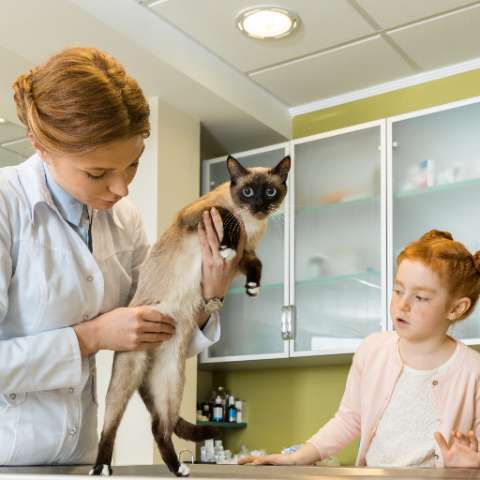
Why Are Regular Vet Checkups Important for Cats?
It's easy to assume that a cat who eats well, plays normally, and seems comfortable doesn't need medical attention. Unfortunately, appearances don't always tell the whole story.
Some health conditions, including dental disease, arthritis, kidney disease, and thyroid disorders, can progress before a cat shows noticeable symptoms.
Regular veterinary visits allow your vet to establish a baseline for your cat's weight, body condition, physical health, and behavior. Comparing information from one appointment to the next may help identify changes that deserve further investigation.
Here are eight important reasons to make routine veterinary care part of your cat's lifelong wellness plan.
8 Benefits of Regular Veterinary Checkups for Cats
1. Detecting Potential Health Problems Earlier
One of the greatest benefits of regular cat vet checkups is the opportunity to recognize potential health concerns before they become more advanced.
During a physical examination, your veterinarian may notice abnormalities involving your cat's heart, eyes, ears, teeth, skin, joints, or abdomen.
Some illnesses require bloodwork, urine testing, imaging, or other diagnostic procedures to identify. A physical examination alone cannot detect every condition, but it can help your veterinarian determine when additional investigation is appropriate.
Between appointments, pay attention to changes in your cat's everyday habits. Our guide to 10 early warning signs that your cat is sick explains which symptoms deserve attention and when to seek veterinary care.
2. Keeping Your Cat's Vaccinations Up to Date
Vaccinations help protect cats against certain serious infectious diseases, including feline panleukopenia and rabies.
During a wellness visit, your veterinarian can review your cat's vaccination history and recommend appropriate vaccines based on age, medical history, lifestyle, and potential exposure risks.
Indoor cats may still need vaccinations. Even cats who never intentionally venture outdoors can encounter certain infectious disease risks.
Not every vaccine needs to be administered annually. Your veterinarian can recommend an individualized schedule and explain applicable rabies vaccination requirements.
For a closer look at core vaccines, boosters, and indoor cat recommendations, read Cat Vaccines: Which Shots Does Your Cat Really Need?
3. Monitoring Weight and Nutritional Health
Weight changes can be surprisingly difficult to notice when you see your cat every day.
At a routine appointment, your veterinarian can weigh your cat, assess body condition, and compare the results with previous visits.
Excess weight can contribute to problems involving mobility, joints, and metabolism. Unexplained weight loss can also indicate an underlying medical condition.
Your vet can help determine whether your kitty's diet, portion sizes, and feeding schedule are appropriate for their individual needs.
If your cat needs help reaching a healthier body condition, explore our guide to helping your cat lose weight safely. Weight loss should be gradual and supervised by a veterinarian because rapid weight loss can be dangerous for cats.
4. Protecting Your Cat's Teeth and Gums
Dental disease is common in cats, and painful oral problems aren't always obvious.
Some cats continue eating even when they have significant dental discomfort. Others may chew differently, drop food, develop bad breath, or become reluctant to have their faces touched.
During a wellness examination, your veterinarian can look for visible signs of dental problems, including inflamed gums, tartar buildup, and damaged teeth.
Some dental conditions cannot be fully evaluated without an anesthetized oral examination and dental radiographs.
Learn more about recognizing dental problems and protecting your kitty's smile in our complete guide to cat dental care.
5. Reviewing Flea, Tick, and Parasite Prevention
Even indoor cats can encounter parasites.
Fleas may enter a home on other animals or belongings, while intestinal parasites can sometimes affect cats with limited outdoor exposure.
Your veterinarian can evaluate your cat's individual risks and recommend appropriate parasite prevention or testing.
Never assume that a flea or tick product designed for dogs is safe for cats. Certain ingredients used in canine products are highly toxic to felines.
6. Adjusting Care as Your Cat Ages
A kitten, a healthy adult cat, and a senior cat have different health care needs.
Kittens need frequent early visits for vaccinations, parasite management, growth assessments, and discussions about spaying or neutering.
Adult cats benefit from ongoing preventive care, while senior cats may need more frequent examinations and screening for age-related conditions.
Regular appointments help your veterinarian adjust recommendations as your kitty grows older, rather than waiting until a problem becomes obvious.
7. Identifying Behavioral Changes That Could Signal Illness
Changes in behavior aren't always simply changes in personality.
A normally affectionate cat who begins hiding, a playful cat who becomes unusually quiet, or a kitty who suddenly avoids the litter box may be experiencing discomfort, stress, or illness.
Your veterinarian can help investigate potential medical causes before behavioral changes are attributed solely to anxiety or environmental factors.
For additional information about recognizing and managing feline stress, read How to Calm a Stressed Cat: 8 Ways to Help Your Kitty Relax.
8. Building a Relationship With a Veterinarian Who Knows Your Cat
Seeing the same veterinary team regularly helps establish a medical history that becomes more valuable over time.
Your veterinarian can track changes in weight, review previous test results, monitor ongoing conditions, and understand what's normal for your particular kitty.
Having an established veterinary relationship can also make it easier to discuss unexpected health concerns and plan follow-up care.
If you're searching for a new veterinary practice, our guide to choosing the right veterinarian for your cat explains what to look for when selecting a clinic.
How Often Should Cats Go to the Vet?
The appropriate frequency depends on your cat's age, health, medical history, and individual risk factors. However, there are some useful general guidelines.
Kittens: Several Visits During the First Year
Kittens typically need multiple veterinary appointments during their first months of life. These visits help monitor growth, administer appropriate vaccinations, address parasite prevention, and discuss nutrition and sterilization.
Your veterinarian will establish a schedule based on your kitten's age and previous medical care.
Healthy Adult Cats: At Least Once a Year
Many healthy adult cats should receive a comprehensive wellness examination at least annually.
Even if your kitty never goes outside and seems perfectly healthy, an annual examination provides an opportunity to evaluate weight, dental health, mobility, behavior, and preventive care needs.
Senior Cats: Often Every Six Months
Older cats frequently benefit from wellness examinations approximately every six months.
Age-related conditions such as arthritis, kidney disease, high blood pressure, and hyperthyroidism may develop gradually. More frequent monitoring can help your veterinarian recognize changes and recommend appropriate testing.
Cats With Chronic Conditions: An Individualized Schedule
Cats managing diabetes, kidney disease, heart disease, thyroid disorders, or other ongoing medical conditions may require more frequent veterinary visits.
Follow your veterinarian's recommended schedule rather than relying on a standard annual appointment.
What Happens During a Routine Cat Wellness Exam?
A routine cat vet checkup generally begins with a conversation about your cat's health and daily habits.
Your veterinarian may ask about appetite, water consumption, litter box habits, grooming, activity, behavior, medications, and any changes you've noticed.
The physical examination may include checking your cat's weight and body condition, listening to the heart and lungs, examining the eyes and ears, inspecting the mouth, evaluating the skin and coat, feeling the abdomen, and assessing mobility.
Depending on your cat's age, medical history, and examination findings, your veterinarian may recommend bloodwork, urinalysis, fecal testing, blood pressure measurement, or other diagnostics.
Not every cat needs every test at every appointment. The goal is to create an appropriate preventive care plan for your individual feline companion.
Do Indoor Cats Really Need Regular Veterinary Checkups?
Absolutely. Indoor living protects cats from many outdoor hazards, but it doesn't eliminate the possibility of illness.
Indoor cats can develop dental disease, obesity, arthritis, urinary problems, kidney disease, and other medical conditions.
Some of these problems may progress quietly before noticeable symptoms appear.
Indoor cats also need individualized vaccination recommendations and assessments of parasite risks.
Whether your kitty spends the day watching birds through a window or racing through the living room, regular veterinary care remains an important part of responsible cat ownership.
How to Prepare Your Cat for a Vet Appointment
For many cats, the most stressful part of a veterinary visit begins before they ever reach the examination room.
Fortunately, a little preparation can make the experience more manageable for both of you.
Make the Cat Carrier a Familiar Place
Don't wait until appointment day to bring out the carrier.
Leave it in a safe, accessible location so your kitty can explore it voluntarily. Add familiar bedding and reward calm interactions with the carrier.
For practical training suggestions, read How to Get Your Cat Used to a Carrier.
Organize Your Cat's Medical Information
Before the appointment, gather vaccination records, previous test results, a list of medications, and notes about any recent changes in behavior or health.
If you have multiple cats, keeping separate records for each kitty can help prevent confusion about medications, vaccinations, and upcoming appointments.
A small notebook can be useful for recording questions, test results, and follow-up instructions. Happy Little Kitty's cat-themed notebooks and journals offer a fun way to keep everyday notes and appointment reminders together.
For pens, keys, and other personal essentials, the Paws Off Makeup Bag doubles as a compact zippered organizer that fits easily into a larger handbag or tote.
Another practical option is the Drink Coffee, Pet Cats Makeup Bag, which offers a little feline humor while keeping small belongings together.
These pouches are intended for ordinary personal accessories, not for storing veterinary medications or medical specimens.
Make the Journey Comfortable
Use a secure, appropriately sized carrier and keep it stable during transportation. Familiar bedding may help your cat feel more comfortable.
If your kitty becomes extremely anxious during travel or examinations, ask your veterinarian about a pre-visit plan. Never administer calming medication without veterinary guidance.
For the person handling the driving and paperwork, a Cat Ear Insulated Water Bottle is a cheerful way to bring along your own coffee, tea, or water.
And when you're juggling car keys, appointment paperwork, and a carrier containing one very opinionated feline, a Cat Key Cover can make your keys easier to recognize in your bag.
Ask About Cat-Friendly Appointments
If your cat becomes frightened at the clinic, ask whether quieter appointment times, separate waiting areas, or cat-friendly handling accommodations are available.
Some veterinary practices can help develop individualized strategies for cats who find examinations particularly stressful.
Questions to Ask Your Veterinarian During a Cat Checkup
Routine appointments are a great opportunity to ask questions that might otherwise be forgotten.
- Is my cat at a healthy weight and body condition?
- Does my cat need any changes to their diet or feeding schedule?
- Are there signs of dental disease or discomfort?
- Which vaccinations and parasite preventives are recommended?
- Should we consider bloodwork, urine testing, or blood pressure monitoring?
- Could changes in activity or grooming indicate arthritis or another problem?
- Are any behavioral changes worth investigating?
- What symptoms should prompt an appointment before the next scheduled checkup?
- When should my cat return for their next examination?
Writing down these questions beforehand can help you make the most of your appointment.
Can Regular Cat Vet Checkups Help Reduce Veterinary Expenses?
Preventive care may help identify certain health concerns earlier, sometimes allowing for more treatment options or more manageable care plans.
However, routine checkups don't guarantee lower veterinary bills, and early detection doesn't mean every condition will be inexpensive to treat.
It's better to think of regular veterinary visits as an investment in your cat's health and quality of life rather than a promise of financial savings.
If costs are a concern, ask your veterinary practice for written estimates, preventive care options, and guidance about which recommended services are most important for your cat.
When Should You Take Your Cat to the Vet Between Routine Checkups?
Don't wait for your cat's next annual examination if something seems wrong.
Contact your veterinarian promptly if you notice unexplained weight loss, significant appetite changes, persistent vomiting, increased thirst, changes in urination, limping, new lumps, or unusual behavior.
Seek emergency veterinary care for difficulty breathing, collapse, major trauma, uncontrolled bleeding, or repeated straining to urinate with little or no urine produced. Urinary obstruction can be life-threatening, particularly in male cats.
Cats who stop eating or eat substantially less than usual also need prompt veterinary advice.
Our article on early signs of illness in cats can help you recognize changes that shouldn't be ignored.
A Little Something for the Cat Parent After the Vet Visit
Let's face it. Convincing a reluctant kitty to enter a carrier, managing the drive, remembering all your questions, and surviving the dramatic protests can make even a routine appointment feel like an adventure.
Once your cat is safely home and settled into a favorite napping spot, there's nothing wrong with treating yourself to a little feline-inspired happiness.
At Happy Little Kitty, our Cat Makeup Bags Collection includes practical zippered organizers for everyday essentials. They're especially useful for cat parents who always seem to have keys, pens, receipts, and other small items floating around their bags.
Prefer something you can use on the go? Browse our Cat Drinkware Collection for feline-inspired cups and water bottles, or explore our Cat Beauty Accessories for small everyday treats.
If you're shopping for a friend who also spends plenty of time caring for their furry companions, our Cat Earrings Collection and Cat Gifts Under $10 offer more ways to share a little kitty happiness.
For gifts and accessories already stocked in Virginia, visit our Ships Same Day Collection. Eligible orders can be dispatched the same business day, with delivery times depending on the carrier and destination.
After all, caring for cats is a labor of love, and sometimes the person scheduling the appointments deserves a little reward, too.
Frequently Asked Questions About Cat Vet Checkups
How often should I take my cat to the vet?
Many healthy adult cats should have a wellness examination at least once a year. Kittens, senior cats, and cats with ongoing medical conditions may need more frequent appointments. Your veterinarian can recommend an appropriate schedule.
Do indoor cats need annual vet checkups?
Yes. Indoor cats can develop dental disease, arthritis, obesity, kidney problems, and other conditions that may not produce obvious early symptoms. Routine examinations remain important even when cats never go outdoors.
How often should senior cats go to the veterinarian?
Many senior cats benefit from examinations approximately every six months. Your veterinarian may recommend additional monitoring or testing based on your cat's health and medical history.
What happens during a cat wellness exam?
A typical wellness examination includes reviewing medical history, assessing weight and body condition, examining the mouth, eyes, ears, skin, and coat, listening to the heart and lungs, and discussing preventive care. Additional testing may be recommended.
Do cats need vaccinations every year?
Not necessarily. Vaccination schedules depend on the vaccine, your cat's age, previous vaccinations, lifestyle, and local requirements. Learn more in our guide to cat vaccinations.
Can a veterinarian detect kidney disease during a routine checkup?
A routine examination may reveal changes that warrant further investigation, but diagnosing and monitoring kidney disease often requires bloodwork, urine testing, and sometimes additional diagnostics.
Will my vet check my cat's teeth?
Veterinarians generally examine the visible teeth and gums during wellness visits. Some dental conditions require a more complete examination under anesthesia and dental radiographs. Our cat dental care guide explains more.
Should I bring a stool sample to my cat's appointment?
Your veterinary clinic may request a fecal sample for parasite testing. Contact the clinic beforehand to ask whether a sample is needed and how it should be collected and stored.
Does my indoor cat need flea and parasite prevention?
Some indoor cats still face parasite risks. Your veterinarian can recommend appropriate preventive measures based on your location, household, lifestyle, and your cat's health.
How can I make vet visits less stressful for my cat?
Help your cat become comfortable with their carrier before appointment day, use familiar bedding, and ask your veterinary clinic about cat-friendly handling. For additional tips, read Getting Your Cat Used to the Carrier.
Should I feed my cat before a vet checkup?
Follow your clinic's instructions. Some tests or procedures require special preparation, while routine examinations may not. Don't withhold food without appropriate veterinary guidance.
What should I bring to my cat's annual checkup?
Bring relevant medical records, vaccination history, a current medication list, and notes about changes in appetite, behavior, weight, or litter box habits. A notebook can help keep questions and follow-up instructions organized. Browse our Cat Notebooks and Journals for everyday note-taking options.
Can a cat be too old for regular vet visits?
No. Senior cats often benefit from more frequent veterinary monitoring because age-related conditions may develop gradually. If travel is difficult or stressful, discuss accommodations and appointment options with your veterinarian.
Can regular veterinary visits prevent every illness?
No. Preventive care cannot eliminate every health risk, but it can support appropriate vaccinations, monitoring, early investigation of symptoms, and individualized wellness planning.
When should I take my cat to the vet instead of waiting for a scheduled checkup?
Seek veterinary advice for significant changes in appetite, weight, drinking, urination, behavior, or activity. Difficulty breathing, collapse, major trauma, or inability to urinate requires emergency veterinary care.
What if my cat becomes extremely frightened at the vet?
Tell your veterinary team before the appointment. They may recommend a quieter appointment time, special handling accommodations, carrier training, or an individualized pre-visit plan. Never give calming medication without veterinary guidance.
How can I keep track of vet appointments for multiple cats?
Maintain separate medical records for each cat, including vaccination dates, medications, test results, and upcoming appointments. A notebook or organized folder can help keep everything together. For pens and other personal essentials, a Paws Off Makeup Bag makes a handy everyday organizer.
Are regular vet checkups expensive?
Costs vary depending on your location, veterinary clinic, and services provided. Ask for an estimate before your appointment and discuss recommended preventive care options with your veterinarian.
Give Your Kitty the Gift of Lifelong Health
Our cats bring so much joy into our lives, from their playful antics and curious personalities to those peaceful moments when they curl up beside us for a nap.
One of the most meaningful ways we can care for them is by making their health a priority.
Regular cat vet checkups provide opportunities to monitor changes, identify potential problems, review preventive care, and build a lasting relationship with a veterinary team that knows your furry friend.
Whether your kitty is a curious kitten, a healthy adult, or a treasured senior companion, routine veterinary care is an important part of helping them enjoy a comfortable, happy life.
And when the appointment is over and your cat has forgiven you for the carrier ride, take a little time to celebrate the special bond you share. You can always find something fun for the human half of that relationship in our ready-to-ship cat lover gifts.
Leave a comment