

Cat Photography Tips: How to Take Beautiful Pictures of Your Cat
Have you ever tried taking the perfect picture of your cat, only to end up with a blurry tail, a turned head, or a close-up of one very unimpressed feline? Cats are wonderfully photogenic, but they aren't always cooperative models!
One moment, your kitty is lounging in a beautiful patch of sunlight. The next, they're racing across the room, disappearing under the couch, or investigating your camera instead of posing for it.
Fortunately, you don't need expensive equipment or professional photography experience to take beautiful cat pictures. With a little patience, good lighting, and an understanding of feline behavior, you can capture everything from playful action shots to quiet, affectionate moments.
Whether you're photographing your cat with a smartphone or a dedicated camera, these cat photography tips will help you capture the expressions, personality, and little details that make your feline friend so special.
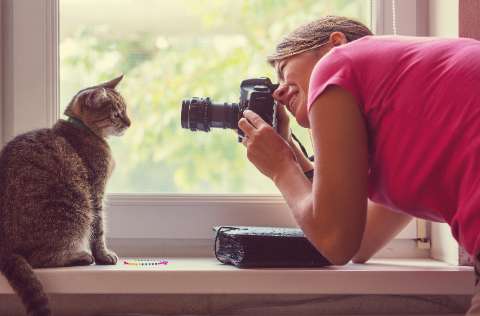
1. Understand Your Cat Before Picking Up the Camera
The secret to great cat photography isn't always technical skill. Often, it's simply knowing your subject.
Cats have their own routines, favorite places, and unique personalities. Some are naturally curious and will investigate anything you put in front of them. Others are shy, cautious, or easily distracted.
Pay attention to when your cat is most relaxed, playful, or affectionate. If your kitty loves watching birds from a particular window every morning, that may be the perfect opportunity for a beautiful portrait.
If your cat enjoys stretching out in the afternoon sunshine, wait for that familiar moment instead of trying to move them somewhere else.
The best photographs often happen when your cat is comfortable enough to behave naturally.
Remember that photography should never be stressful for your pet. Avoid forcing poses, restraining your cat for a picture, or repeatedly disturbing them when they want to rest.
2. Use Natural Light for Beautiful Cat Photos
Lighting can make an enormous difference in the quality of your cat photographs.
Natural window light is one of the easiest ways to create beautiful images, especially if you're using a smartphone.
Look for a bright room where sunlight filters gently through a window. Soft, indirect light helps illuminate your cat's fur, highlight their eyes, and create flattering shadows without overwhelming the photograph.
Harsh direct sunlight can create strong contrast, especially on cats with very light or dark fur. If the sunlight is too intense, try moving slightly away from the window or photographing during a different part of the day.
Early morning and late afternoon often provide lovely warm light for outdoor photography. Indoors, an overcast day can actually be ideal because the light tends to be softer and more even.
Whenever possible, avoid using a direct camera flash. Sudden bright flashes can startle some cats and may produce unnatural-looking reflections in their eyes.
3. Get Down to Your Cat's Eye Level
One of the simplest ways to improve your cat photography is to change your perspective.
Instead of standing above your cat and pointing the camera downward, crouch or sit so your camera is closer to their eye level.
This creates a more personal portrait and allows viewers to see the world from your cat's perspective.
Try photographing your cat as they look out a window, stretch across a favorite blanket, or peek around a doorway.
For variety, experiment with a few different angles. A photograph taken directly above a sleeping cat can emphasize the adorable way they curl into a ball, while a low-angle shot can make a playful kitty look especially curious or dramatic.
Don't be afraid to move around and try several compositions. Sometimes a small change in camera position makes all the difference.
4. Focus on Your Cat's Eyes
A cat's eyes are often the most expressive part of a photograph.
Whether your kitty has bright green eyes, golden amber eyes, or beautiful blue eyes, sharp focus on the eyes can make a portrait feel much more engaging.
On a smartphone, tap your cat's eye on the screen to help the camera focus on that area. If your phone allows you to adjust exposure, make small changes until the face looks properly lit.
With a DSLR or mirrorless camera, use an autofocus setting suited to your subject. Many newer cameras offer animal-eye detection, which can be particularly useful for moving cats.
For close-up portraits, focus on the eye nearest the camera.
And don't forget the little details! A close-up of whiskers, tiny paws, a pink nose, or an especially expressive pair of ears can create a memorable photograph.
5. Capture Your Cat's Personality, Not Just Their Appearance
The most meaningful cat pictures aren't always the ones where everything is perfectly posed.
Sometimes the best photograph is the one that captures your cat doing something unmistakably them.
Maybe your kitty has a habit of sleeping with one paw over their face. Perhaps they always sit in the same cardboard box, curl up beside your computer, or stare dramatically out the window.
Those everyday habits are worth photographing because they tell a story about your cat's personality.
Keep your phone or camera nearby during normal activities so you can capture spontaneous moments without interrupting them.
Don't worry if every picture isn't technically perfect. A slightly imperfect photograph that captures a beloved expression may become one of your favorites.
6. Learn How to Photograph Cats in Motion
Photographing a sleeping cat is one thing. Capturing a kitten leaping through the air or a playful adult chasing a toy is another challenge entirely!
For action photography, you need to reduce motion blur.
If you're using a dedicated camera, try a fast shutter speed, such as 1/500 second or faster, depending on how quickly your cat is moving and the available light.
Continuous autofocus can help your camera track a moving subject, while burst mode lets you capture several photographs in rapid succession.
On a smartphone, use burst mode or an available action-photography setting. Shoot in a bright room whenever possible, because low light makes it harder for the camera to freeze movement.
Anticipation also matters. If your cat always jumps toward a particular toy or runs along the same path, position yourself ahead of time and wait for the action to happen.
Never encourage dangerous jumps or stressful behavior just to capture a photograph. Your cat's safety and comfort always come first.
7. How to Photograph Black Cats
Black cats can be especially challenging to photograph because their dark fur may blend into shadowy backgrounds.
The key is to create enough separation between your cat and their surroundings.
Try photographing your black cat near a window with soft light falling across their face. A lighter background, such as a pale blanket or neutral-colored wall, can help define their silhouette.
Tap on your cat's face to set focus and exposure when using a smartphone. You may need to brighten the image slightly, but avoid overexposing the photograph until the fur loses its natural richness.
Side lighting can be particularly beautiful because it reveals subtle highlights and texture in black fur.
And don't overlook the eyes. Bright eyes against dark fur can create a striking, expressive portrait.
8. Choose Simple Backgrounds That Complement Your Cat
A beautiful cat photograph can quickly become distracting if the background is cluttered with laundry, cables, furniture, or other objects.
Before taking the picture, look beyond your cat and notice what's happening in the rest of the frame.
A neutral blanket, clean windowsill, simple sofa, or uncluttered corner of a room can provide a lovely setting without competing for attention.
You don't need an elaborate photography studio. Often, the best backgrounds are already in your home.
Try leaving a little extra space around your cat when composing the image. This gives you flexibility to crop the photograph later without cutting off important details.
For a creative approach, use a doorway or window frame to naturally frame your cat within the photograph.
9. Take Better Cat Pictures With Your Smartphone
You don't need a professional camera to take photographs worth printing and displaying.
Modern smartphones are capable of producing beautiful cat portraits, especially when you pay attention to lighting and composition.
Start by cleaning your camera lens. It sounds simple, but fingerprints and smudges can make photographs look soft or hazy.
Use the main camera when possible, especially in lower light. Avoid excessive digital zoom, which can reduce image quality.
Tap to focus on your cat's eyes, take several pictures, and experiment with portrait mode if your phone offers it.
Portrait mode can create a pleasing blurred background, although it sometimes struggles with fine details such as whiskers and fur. Check the result before deciding which version to keep.
And remember, patience is more valuable than taking hundreds of rushed photographs. Wait for the right moment, then capture a few thoughtful shots.
10. Edit Your Cat Photos Without Losing Their Natural Beauty
Once you've captured your favorite photographs, a few simple edits can make them even better.
Start by adjusting brightness and exposure if the image looks too dark or too bright. Then consider small changes to contrast, shadows, highlights, and white balance.
Crop distracting objects from the edges of the photograph, but be careful not to cut off whiskers, paws, or ears unless you're intentionally creating a close-up composition.
Subtle sharpening can help bring out fur texture and eye detail, while excessive sharpening may make the photograph look unnatural.
You can also experiment with black-and-white photography for a classic, timeless look.
Try to preserve the colors and features that make your cat recognizable. After all, the goal is to celebrate your feline friend, not turn them into an entirely different-looking animal.
11. Creative Ways to Display Your Favorite Cat Photos
Once you've taken dozens of beautiful pictures, don't leave all those memories buried in your phone's camera roll!
Printing and displaying your favorite cat photographs is a wonderful way to celebrate the little moments that make life with cats so special.
Create a Cat Photo Display
Choose a handful of favorite photographs and arrange them on a desk, bookshelf, or small display area.
For a playful alternative to traditional picture frames, our Cat Clothespin Photo Holder Set includes four wooden cat-shaped holders that make it easy to display and change your favorite printed pictures.
They're especially useful if you enjoy updating your display with new photographs, seasonal memories, or snapshots of different cats.
You can also use them to display postcards, greeting cards, and other small keepsakes.
Make a Cozy Cat-Themed Photo Corner
Turn a favorite shelf or desk into a small celebration of your feline companions.
Arrange a few printed photographs alongside meaningful keepsakes, then add soft decorative lighting for a welcoming atmosphere.
Our Cat Face LED String Lights add a warm white glow and playful feline detail to shelves, desks, and other indoor display areas.
They're decorative lights rather than professional photography lighting, but they make a charming accent for displaying your finished pictures.
Keep electrical accessories, battery compartments, and loose cords safely away from curious paws.
Build a Gallery of Your Cat's Favorite Moments
A photo gallery doesn't have to be expensive or complicated.
Start with a few photographs that tell a story: your cat as a kitten, their favorite sleeping position, a funny expression, or a memorable holiday moment.
Mix close-up portraits with wider photographs showing your cat in their favorite places.
For additional decorating inspiration, browse our Cat Home & Kitchen Collection for feline-inspired decorative accents, or explore our Cat Office Collection for accessories that add personality to a desk or workspace.
The result is a display that's meaningful, personal, and uniquely yours.
12. Turn Your Cat Photographs Into Thoughtful Gifts
Some of the best gifts for cat lovers are personal ones.
A framed photograph of a beloved pet, a small photo album, or a printed collection of favorite memories can make a wonderful birthday, holiday, or just-because present.
For a friend who enjoys decorating their desk, a set of wooden cat photo holders paired with a few printed photographs makes a sweet and practical gift.
You could also create a themed gift basket with printed pictures, a handwritten note, and a small cat-inspired accessory.
Our Sale Items Collection includes discounted feline accessories and decorative gifts, while the Ships Same Day Collection features select in-stock items for cat lovers shopping on a shorter timeline.
For more inspiration, take a look at our Cat Pillow & Home Decor Roundup for ideas on creating a cozy, cat-inspired space.
Frequently Asked Questions About Cat Photography
How do I take good pictures of my cat?
Use soft natural light, get down to your cat's eye level, focus on their eyes, and choose a simple background. Be patient and photograph your cat when they're relaxed or behaving naturally.
What is the best lighting for cat photography?
Soft, indirect natural light is often ideal. A bright window or a shaded outdoor area can illuminate your cat's face and fur without creating harsh shadows.
Can I take professional-looking cat photos with my phone?
Yes! Clean your phone's camera lens, use good natural light, tap to focus on your cat's eyes, and experiment with composition. Many smartphones can produce beautiful pet portraits without additional equipment.
How do I photograph a cat that won't sit still?
Use burst mode or a fast shutter speed, photograph in bright light, and anticipate your cat's movements. Instead of trying to force a pose, capture your cat during normal playtime or everyday activities.
What camera settings are best for cat photography?
For moving cats, a fast shutter speed and continuous autofocus can help reduce blur. For portraits, focus carefully on the eyes and adjust aperture and exposure to suit the available light.
How do I take sharp pictures of my cat's eyes?
Focus directly on the eye nearest the camera, keep your camera steady, and use sufficient light. On a smartphone, tap the eye on the screen before taking the picture.
Why are my cat pictures blurry?
Blur can result from subject movement, camera shake, missed focus, or insufficient light. Try photographing in a brighter room, holding the camera more steadily, or using a faster shutter speed.
How do I photograph a black cat?
Use soft side lighting and a lighter background to help define your cat's dark fur. Focus on the face and adjust exposure carefully so you preserve detail without making the fur look washed out.
Should I use flash when photographing my cat?
Natural light is generally preferable. Direct flash can startle some cats and create distracting reflections in their eyes. If you need additional light, choose a gentle, comfortable lighting setup that doesn't distress your pet.
How can I get my cat to look at the camera?
Try making a quiet sound or holding a favorite toy near the camera, but avoid startling your cat. Some of the most expressive photographs happen when cats are looking naturally at something that interests them.
What are some creative cat photography ideas?
Try close-up eye portraits, paw and whisker details, window silhouettes, playful action shots, cozy sleeping pictures, and photographs that capture your cat's favorite daily routines.
How do I photograph multiple cats together?
Choose a familiar, comfortable location and wait for the cats to settle naturally near one another. Use a slightly smaller aperture on a dedicated camera if you need more than one face in focus, and take several pictures to capture a moment when everyone looks their best.
How can I edit cat photos on my phone?
Use your phone's photo editor to make modest adjustments to brightness, contrast, shadows, color, and cropping. Avoid excessive filters that change your cat's natural appearance.
How do I display printed cat photographs without traditional frames?
Our Cat Clothespin Photo Holder Set includes four wooden cat-shaped clips that make it easy to display favorite photographs, cards, and keepsakes on desks and shelves.
How can I decorate a cat photo display?
Combine printed photographs with small keepsakes and coordinated decorative accessories. Our Cat Face LED String Lights can add a warm, playful glow to an indoor display area.
Are cat photo displays good gifts for cat lovers?
Absolutely! A collection of printed pet photographs paired with a decorative photo holder makes a thoughtful gift for birthdays, holidays, housewarmings, or someone celebrating a beloved feline companion.
Where can I find cat-themed accessories for displaying photos?
Happy Little Kitty offers accessories such as wooden cat photo holders and decorative cat lights. Browse our Cat Home & Kitchen Collection or Cat Office Collection for more ideas.
Capture the Moments That Make Your Cat Special
The art of cat photography isn't about getting every picture perfectly posed. It's about noticing the little things that make your feline friend unique: the way they stretch in the morning sunshine, the mischievous look before a playful pounce, or the peaceful expression they wear while sleeping.
With patience, thoughtful lighting, and a willingness to experiment, you can create photographs that preserve those moments for years to come. And when you find a favorite, don't forget to print it, display it, or share it with someone who loves your cat just as much as you do.
After all, our cats fill our lives with personality, affection, and endless entertainment. A beautiful photograph is one more way to celebrate the joy of sharing our homes and hearts with them.
Leave a comment