

How to Reduce Cat Shedding: 10 Tips for Less Fur and a Healthier Coat
If you share your home with a cat, chances are you're also sharing it with plenty of cat hair. It's on the couch, your favorite sweater, the blankets, and somehow even the clothes you just pulled out of the dryer. No matter how much you love your kitty, all that fur can be overwhelming!
Shedding is a normal part of being a cat. Their coats naturally release older hairs as new ones grow in. But while you can't completely stop a healthy cat from shedding, there are practical ways to manage loose fur, support healthy skin and coat, and keep your home a little less fuzzy.
Wondering how to reduce cat shedding without making grooming stressful for your feline friend? Here are 10 helpful tips, along with advice about seasonal shedding, hairballs, excessive hair loss, and life in a house full of cats.
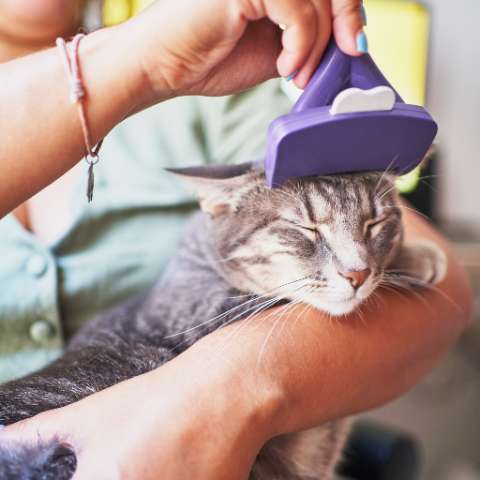
Why Do Cats Shed So Much?
Cats shed because their hair follows a natural growth cycle. Older hairs eventually fall out and are replaced by new ones, helping maintain a healthy coat.
How much a cat sheds depends on several factors, including genetics, coat type, age, overall health, and seasonal changes.
Some cats shed more noticeably during spring and fall as their coats respond to changing daylight and temperature. Indoor cats may shed more consistently throughout the year because their environment is relatively stable.
Long-haired cats don't necessarily shed more individual hairs than short-haired cats, but their longer fur can make shedding more noticeable around the house.
For most cats, some loose fur is completely normal. The goal isn't to eliminate shedding but to manage it while keeping your kitty comfortable and healthy.
1. Brush Your Cat Regularly
Regular brushing is one of the simplest and most effective ways to reduce loose cat hair around your home.
When you brush your kitty, you're collecting shedding fur before it ends up on your furniture, carpets, bedding, and clothing. Grooming also helps prevent tangles and mats, particularly in cats with longer coats.
How often should you brush your cat? That depends on their coat.
Many short-haired cats benefit from brushing once or twice a week, while long-haired cats may need daily attention to prevent matting. Cats with thick undercoats may benefit from additional grooming during periods of heavier shedding.
Brush gently in the direction of hair growth, paying attention to your cat's reactions. If your kitty seems uncomfortable, take a break rather than forcing a lengthy grooming session.
For cats that aren't accustomed to brushing, start with a few gentle strokes and gradually increase the time as they become more comfortable.
A little patience can turn grooming into an enjoyable bonding activity instead of something your cat dreads.
2. Choose the Right Cat Grooming Brush
Not every grooming tool works equally well for every cat. Choosing a brush suited to your kitty's coat can make grooming more effective and comfortable.
For Short-Haired Cats
Soft-bristle brushes and grooming mitts can be useful for removing loose fur from short-haired cats. These tools may be particularly helpful for cats that enjoy gentle petting but dislike more intensive grooming.
For Long-Haired Cats
Wide-toothed combs and appropriate slicker brushes can help remove loose fur and prevent tangles. Long-haired cats may need more frequent grooming, especially around areas where mats tend to form.
For Cats With Thick Undercoats
Deshedding tools may help remove loose undercoat, but they should be used carefully and according to the manufacturer's instructions. Excessive pressure or repeated brushing over the same area can irritate the skin or damage the coat.
Never pull at painful mats or attempt to cut them out with scissors. Severe matting may require professional grooming or veterinary assistance.
The best brush isn't necessarily the most expensive one. It's the tool that works for your cat's coat and that your kitty tolerates comfortably.
3. Feed Your Cat a Complete and Balanced Diet
A healthy coat starts with good nutrition.
Your cat needs appropriate amounts of protein, essential fatty acids, vitamins, and minerals to maintain healthy skin and fur.
Choose a complete and balanced cat food appropriate for your kitty's life stage and individual medical needs.
While nutritional deficiencies can contribute to poor coat condition or abnormal hair loss, switching to a food labeled premium or grain-free won't necessarily reduce normal shedding.
Grains aren't inherently harmful to cats, and there's no good reason to assume that corn or other grains automatically cause excessive shedding.
If your cat's coat becomes unusually dull, brittle, or thin, consult your veterinarian before making major dietary changes.
Although omega-3 fatty acids play a role in skin health, don't add fish oil or other supplements to your cat's food without veterinary guidance. The appropriate product and dosage depend on your cat's individual needs.
4. Make Sure Your Cat Stays Hydrated
Water is essential for your cat's overall health, including normal skin function.
Make sure fresh drinking water is always available in clean, accessible bowls.
Some cats prefer multiple drinking stations, while others seem particularly interested in running water.
If your kitty loves drinking from the faucet, a water fountain may be worth considering. Read our guide to why you should get a cat water fountain to learn more about encouraging healthy hydration.
Wet food can also contribute to your cat's daily water intake, although dietary changes should be appropriate for their individual health needs.
Dehydration can affect overall health, but providing more water won't necessarily stop normal seasonal shedding.
5. Keep Up With Regular Veterinary Checkups
Sometimes excessive shedding is more than a grooming issue.
Allergies, parasites, skin infections, nutritional problems, and certain medical conditions can cause abnormal hair loss or changes in coat quality.
Regular veterinary visits provide an opportunity to discuss your cat's skin, coat, diet, and overall health.
If your kitty suddenly starts shedding much more than usual, develops bald patches, or seems itchy or uncomfortable, schedule a veterinary appointment.
Your veterinarian can help determine whether the change is normal or whether treatment is needed.
For more information about preventive care, read The Big Benefits of Regular Vet Checkups for Cats.
If you're searching for a new veterinary practice, our guide to choosing the right veterinarian for your cat can help you get started.
6. Watch for Stress and Excessive Grooming
Cats are naturally meticulous groomers, but excessive licking can sometimes lead to thinning fur or bald patches.
Stress, discomfort, allergies, parasites, and other medical conditions may contribute to overgrooming.
Changes in routine, new pets, unfamiliar visitors, or conflicts between cats can also affect behavior.
If you notice your cat repeatedly licking or chewing the same area, don't assume the problem is simply anxiety. Have your veterinarian check for medical causes first.
Once health concerns have been evaluated, providing predictable routines, comfortable resting places, and appropriate play opportunities may help reduce environmental stress.
Our article How to Keep Your Cat Calm When They're Stressed offers additional ideas for creating a comfortable environment.
7. Reduce Loose Cat Hair Around Your Home
Even with a great grooming routine, some cat hair will still find its way onto your furniture and clothing. That's simply part of sharing your home with a feline friend.
Fortunately, a few simple housekeeping habits can make the fur easier to manage.
Vacuum upholstered furniture and carpets regularly, especially in areas where your cat likes to nap. A vacuum with an appropriate pet-hair attachment can make the job easier.
Wash removable blankets and pet bedding according to their care instructions, and keep a lint roller handy for clothing and other fabrics.
Placing washable throws on your cat's favorite resting spots can also help protect furniture while giving your kitty a cozy place to relax.
If you have several cats, regular grooming and cleaning become even more useful because each kitty contributes a little more fur to the household.
Living With Cat Hair on Your Clothes
Every cat parent knows the experience of getting dressed, looking down, and realizing their outfit is already covered in fur.
Keeping a lint roller near your closet or front door can help, but sometimes the best solution is simply embracing the fact that you live with cats.
Our Pet All the Cats Hooded Sweatshirt is a fun choice for someone who never misses an opportunity to pet another kitty, while the One Cat Short of Crazy Crewneck Sweatshirt celebrates the special chaos of a multi-cat household.
For cat lovers who enjoy a cozy evening with their furry companions, the Cats Are My Favorite People Hooded Sweatshirt is another playful choice.
Explore our Cat Clothing & Accessories Collection for more feline-inspired apparel and everyday accessories.
8. Help Reduce Hairballs With Regular Grooming
When cats groom themselves, they naturally swallow some loose hair.
Much of that hair passes through the digestive system, but some may accumulate and eventually be expelled as a hairball.
Regular brushing helps remove loose fur before your cat swallows it, making grooming particularly useful for cats prone to hairballs.
However, frequent vomiting or repeated attempts to bring up a hairball shouldn't automatically be considered normal.
If your cat regularly vomits, repeatedly retches without producing anything, stops eating, or seems unwell, contact your veterinarian.
For more information about prevention and warning signs, read Everything You Need to Know About Cat Hairballs.
9. Be Careful With Bathing and Shedding Remedies
Some cat owners wonder whether bathing their kitty will reduce shedding.
Bathing may remove loose fur in certain circumstances, but most healthy cats don't need frequent baths. Regular brushing is usually easier, less stressful, and more practical.
Unnecessary bathing can irritate your cat's skin, particularly if inappropriate products are used.
Never use human shampoo, essential oils, or products intended for other animals unless your veterinarian specifically confirms they're safe for your cat.
Human shampoo isn't formulated for feline skin and may contain ingredients that cause irritation or other problems when cats groom themselves. For a more detailed explanation, read Can I Use Human Shampoo on My Cat?
If your kitty genuinely needs a bath because of dirt, contamination, or a medical condition, ask your veterinarian which products and bathing methods are appropriate.
For additional guidance, explore How to Give Your Cat the Purr-fect Bath.
10. Create a Consistent Cat Grooming Routine
Consistency makes shedding easier to manage.
Instead of waiting until your furniture is covered in fur, make brushing and cleaning part of your regular routine.
Choose a time when your cat is relaxed, perhaps after a meal or during a quiet evening at home.
Keep grooming sessions short, offer positive reinforcement, and stop if your kitty becomes uncomfortable.
If you have multiple cats, remember that each one may have different grooming needs. One cat might enjoy daily brushing, while another may tolerate only a few gentle strokes at a time.
A simple notebook can help you track grooming sessions, seasonal coat changes, and any unusual skin or fur problems you want to discuss with your veterinarian.
For cat-themed stationery, browse our Cat Notebooks & Journals Collection.
When Is Cat Shedding Season?
Many cats experience heavier shedding during seasonal transitions, especially in spring and fall.
Changes in daylight can influence coat growth and shedding patterns, although the amount varies between individual cats.
Indoor cats may shed more steadily throughout the year because artificial lighting and relatively consistent indoor temperatures affect their environment.
During periods of heavier shedding, increasing brushing frequency may help collect more loose fur before it spreads around your home.
However, seasonal shedding shouldn't cause significant bald patches, inflamed skin, or obvious discomfort.
How to Manage Cat Shedding in a Multi-Cat Household
If you share your home with several cats, you already know how quickly the fur can accumulate.
Even when each cat sheds a normal amount, the combined effect can make it feel like you're living with a small army of furry tumbleweeds.
Start by establishing individual grooming routines based on each cat's coat type and tolerance.
Keep washable blankets on favorite sleeping spots, vacuum regularly, and pay attention to which areas collect the most fur.
If one cat suddenly begins shedding more heavily than the others, look for changes in their coat, grooming behavior, and overall health rather than assuming it's simply seasonal.
And if you proudly live in a home where the cats outnumber the people, our One Cat Short of Crazy Crewneck Sweatshirt might feel especially familiar.
When Should You Worry About Excessive Cat Shedding?
It's normal to find loose fur on your cat's bedding or grooming brush, but certain changes deserve closer attention.
Contact your veterinarian if you notice sudden or dramatic hair loss, bald patches, irritated skin, excessive scratching, persistent licking, or changes in your cat's appetite or behavior.
A healthy coat can vary in thickness and appearance, but unexplained changes may indicate that something is affecting your cat's health.
Ordinary shedding usually involves loose hairs falling from an otherwise healthy-looking coat. Bald spots, inflamed skin, and significant thinning aren't simply the same thing as seasonal shedding.
For more information about changes that may indicate illness, read 10 Early Warning Signs That Your Cat Is Sick.
Cat Lover Gifts for People Who Live With a Little Extra Fur
Living with cats means accepting a few things: unexpected midnight zoomies, mysterious noises from the next room, and at least a little cat hair on almost everything.
But that's part of what makes life with felines so entertaining.
While grooming tools and regular cleaning help manage shedding, cat-themed clothing and accessories are a fun way to celebrate the furry companions responsible for all that fluff.
Funny Cat Clothing for Proud Cat Parents
If you happily accept that cat hair is part of your everyday wardrobe, our Pet All the Cats Hooded Sweatshirt celebrates your love of feline companionship.
For multi-cat families, the One Cat Short of Crazy Crewneck Sweatshirt adds a little humor to the reality of sharing your home with several furry personalities.
And for anyone whose favorite company has four paws and a tail, the Cats Are My Favorite People Hooded Sweatshirt makes a cozy statement.
Another sweet choice is the Girl Who Loves Cats Crewneck Sweatshirt, featuring a playful pink cat design with hearts and paw prints. It's especially fitting for someone who enjoys cuddling up with their kitty, even when that means ending up covered in fur.
For a more understated feline look, the Whiskers Crewneck Sweatshirt features a simple cat-inspired design with a heart-shaped nose and whiskers.
And while cat whiskers aren't the same as ordinary shedding fur, they're another familiar part of feline life. Whiskers naturally renew over time, but they shouldn't be trimmed as part of a grooming routine.
Whether you're shopping for yourself or another devoted cat parent, our Cat Clothing & Accessories Collection includes feline-inspired styles for everyday wear.
Cat-Themed Accessories for Everyday Errands
Sometimes you want a smaller way to show your love of cats.
Our Coffee and My Cat Distressed Hat is perfect for someone whose favorite morning involves coffee and a kitty nearby.
The Keep Calm Love Cats Tote Bag offers a playful option for shopping trips, books, and everyday essentials.
And our Cat Key Cover adds a little feline charm to an item you carry every day.
Practical Little Gifts for Cat Lovers
For people who enjoy keeping their personal belongings organized, our Paws Off Makeup Bag is a fun zippered pouch for cosmetics, hair accessories, toiletries, and other small essentials.
It's also a useful little gift for a cat-loving friend, particularly when paired with another accessory.
Browse our Cat Makeup Bags Collection for additional designs, or explore our Sale Items Collection for more discounted cat-themed finds.
Frequently Asked Questions About Cat Shedding
How can I reduce my cat's shedding?
Regular brushing, a complete and balanced diet, fresh drinking water, and routine veterinary care can help maintain a healthy coat and manage loose fur. Normal shedding cannot be eliminated completely.
Why is my cat shedding so much?
Shedding varies with coat type, genetics, seasonal changes, and individual health. Sudden excessive shedding, bald patches, or skin irritation should be evaluated by a veterinarian.
How often should I brush my cat to reduce shedding?
Many short-haired cats benefit from brushing once or twice a week, while long-haired cats may need daily grooming. Adjust the frequency based on your cat's coat and comfort.
What is the best brush for a shedding cat?
The best brush depends on coat type. Soft brushes and grooming mitts can work well for short-haired cats, while combs and appropriate slicker brushes may help with longer coats.
Do indoor cats shed all year?
Yes. Indoor cats may shed throughout the year, although some still experience periods of heavier seasonal shedding.
Do cats shed more in spring and fall?
Many cats experience seasonal shedding as daylight and environmental conditions change. The amount varies depending on coat type, genetics, and whether the cat lives primarily indoors or outdoors.
Do long-haired cats shed more than short-haired cats?
Not necessarily. Both long-haired and short-haired cats shed, but longer hairs may be more noticeable on furniture and clothing.
Can changing my cat's food reduce shedding?
If poor nutrition is affecting coat health, an appropriate dietary change may help. However, switching foods won't necessarily reduce normal shedding. Consult your veterinarian if you suspect a nutritional problem.
Does fish oil help with cat shedding?
Omega-3 fatty acids may support skin health in certain situations, but fish oil isn't a guaranteed solution for shedding. Ask your veterinarian before giving supplements.
Does bathing a cat help reduce shedding?
Bathing may remove loose hair in some circumstances, but most healthy cats don't need frequent baths. Regular brushing is usually a more practical approach, and unnecessary bathing may irritate the skin.
Can I use human shampoo to reduce my cat's shedding?
No. Human shampoo isn't recommended for cats because it may irritate feline skin or contain ingredients that aren't safe when cats lick their coats. Learn more in our guide to human shampoo and cat safety.
Can stress cause a cat to lose fur?
Stress may contribute to excessive grooming, which can cause hair thinning or bald patches. However, medical conditions can cause similar symptoms, so veterinary evaluation is important. Read our guide to helping a stressed cat for additional information.
Can brushing help prevent hairballs?
Brushing removes loose fur before your cat swallows it during grooming and may help reduce hairball formation. Frequent vomiting or unproductive retching requires veterinary attention. Learn more in our cat hairball guide.
How do I reduce cat hair on furniture?
Brush your cat regularly, vacuum upholstered furniture, use washable throws on favorite resting spots, and clean bedding according to its care instructions. A lint roller or suitable fabric-cleaning tool can help remove loose fur between cleanings.
How can I get cat hair off my clothes?
Lint rollers, appropriate fabric brushes, and regular laundering can help remove loose cat hair. Keep a lint roller near your closet or front door for quick touch-ups before leaving home.
Is it normal for a kitten to shed?
Yes. Kittens can shed as their coats develop, although the amount varies. If your kitten has bald patches, irritated skin, or unusual hair loss, consult your veterinarian.
Why is my cat losing fur in patches?
Patchy hair loss isn't typical shedding. Possible causes include parasites, allergies, infections, overgrooming, and other medical conditions. A veterinarian should evaluate unexplained bald patches.
Does shaving a cat reduce shedding?
Shaving doesn't stop the natural hair growth cycle and usually isn't necessary for managing shedding. A cat's coat also provides important protection. Ask a veterinarian or experienced cat groomer before considering clipping or shaving.
What should I do if my cat hates being brushed?
Start with very short grooming sessions when your cat is relaxed. Use a gentle tool, offer positive reinforcement, and stop if your kitty becomes uncomfortable. Some cats tolerate grooming mitts better than traditional brushes.
How do I manage shedding with multiple cats?
Create individual grooming routines, vacuum regularly, wash bedding, and pay attention to changes in each cat's coat. A multi-cat household naturally produces more loose fur, but sudden or unusual hair loss in one cat deserves attention.
When should I worry about my cat shedding?
Seek veterinary advice if shedding increases suddenly, your cat develops bald spots or irritated skin, or you notice excessive scratching, licking, or other changes in health or behavior.
What are good gifts for someone who loves cats?
For someone who happily lives with a little cat hair, consider our Pet All the Cats Hooded Sweatshirt, Girl Who Loves Cats Crewneck Sweatshirt, or Coffee and My Cat Distressed Hat.
What is a funny gift for someone with multiple cats?
Our One Cat Short of Crazy Crewneck Sweatshirt is a playful choice for people whose homes are full of feline personalities.
What is a good sweatshirt for someone who loves cats?
The Cats Are My Favorite People Hooded Sweatshirt celebrates the bond between cats and their humans. For a simpler cat-inspired design, try the Whiskers Crewneck Sweatshirt.
Does Happy Little Kitty have affordable gifts for cat lovers?
Yes! Our Cat Key Cover and Paws Off Makeup Bag are fun small gifts. Browse our Sale Items Collection for more discounted feline-inspired accessories.
More Helpful Cat Grooming and Coat Care Articles
Looking for more ways to keep your feline friend comfortable and healthy? Explore our related articles:
- Reducing Cat Shedding: A Short Guide for another look at everyday coat care.
- Everything You Need to Know About Cat Hairballs for prevention tips and warning signs.
- Why You Should Get a Cat Water Fountain for hydration advice.
- How to Keep Your Cat Calm When They're Stressed for understanding stress-related behaviors.
- How to Give Your Cat the Purr-fect Bath for bathing guidance.
- Can I Use Human Shampoo on My Cat? for understanding feline-safe grooming products.
- The Big Benefits of Regular Vet Checkups for Cats for preventive health advice.
- Choosing the Right Veterinarian for Your Cat for selecting a veterinary practice.
- 10 Early Warning Signs That Your Cat Is Sick for recognizing potential health problems.
A Little Grooming Goes a Long Way
Cat shedding may be inevitable, but living with loose fur doesn't have to be overwhelming. Regular brushing, appropriate nutrition, fresh water, and attention to your cat's health can make a real difference in keeping their coat comfortable and your home easier to maintain.
And while you may never completely eliminate cat hair from your furniture or favorite sweatshirt, those stray hairs are a small reminder of the furry companions who make our lives so much happier. With a little care and consistency, you can spend less time chasing stray fur and more time enjoying your kitty.
Leave a comment