

How to Get Your Cat Used to a Carrier: 7 Easy Training Steps
Does your cat disappear the moment the carrier comes out of the closet? You're certainly not alone. For many cat owners, getting a kitty into a carrier can turn an ordinary veterinary appointment into a frustrating game of hide-and-seek.
But your cat doesn't have to love traveling to become more comfortable with their carrier. With patience, positive reinforcement, and a little practice, you can help your feline friend see the carrier as a familiar, safe space instead of something to fear.
Whether you're preparing for a vet appointment, planning a road trip, or simply want to be ready for an emergency, these seven cat carrier training steps can make the experience easier for both you and your kitty.
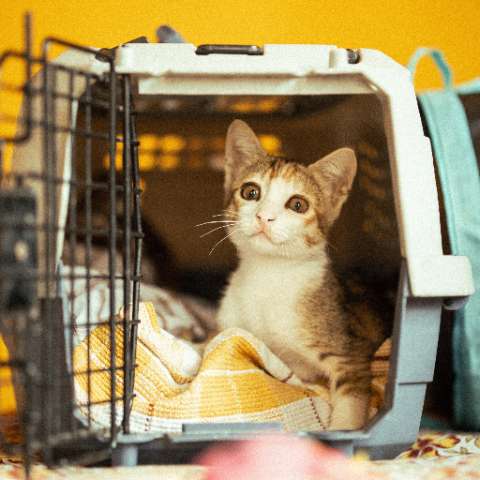
Why Are Cats Afraid of Their Carriers?
Think about the last time your cat saw their carrier. Was it right before a trip to the veterinarian? Did you have to chase them around the house to get them inside?
If the carrier only appears before stressful experiences, your cat may learn to associate it with unfamiliar smells, car rides, handling, or veterinary examinations.
Some cats are uncomfortable with enclosed spaces, unstable footing, or being lifted and carried. Others may simply dislike a carrier that's too small or difficult to enter.
The goal of carrier training is to change those associations gradually. Instead of the carrier predicting something unpleasant, it becomes an ordinary part of your cat's environment and perhaps even a favorite resting spot.
Step 1: Choose a Comfortable, Secure Cat Carrier
Before you begin training, make sure your carrier is appropriate for your cat.
Your kitty should have enough room to stand, turn around, and lie down comfortably. Look for secure latches, adequate ventilation, a stable base, and an opening that allows your cat to enter without being squeezed or forced.
A sturdy carrier with a removable top can be particularly helpful for cats who dislike being lifted through a small doorway. During veterinary examinations, some cats can remain in the bottom half of this type of carrier.
If you're still deciding which style to use, read our guide to choosing the right cat carrier for more information about carrier sizes, hard-sided versus soft-sided designs, secure closures, and travel safety.
Remember that the carrier should fit your cat's needs, not just your available storage space. A carrier that's comfortable and secure makes every subsequent training step easier.
Step 2: Leave the Carrier Out Where Your Cat Can Explore It
One of the easiest ways to make a carrier less intimidating is to stop treating it like something that only comes out on vet day.
Place the carrier in a quiet area where your cat already enjoys spending time. Secure the door open or remove it temporarily if the design allows, so it won't unexpectedly swing shut.
Then let your cat investigate without pressure.
Your kitty might sniff the carrier, walk around it, or ignore it completely at first. That's fine. Don't force them inside or turn exploration into a struggle.
If your cat is especially cautious, start by placing the carrier near a favorite resting area rather than directly beside it. Over time, your kitty may become curious enough to investigate.
The more ordinary the carrier becomes, the less alarming it may seem when you eventually need to use it.
Step 3: Make the Carrier Cozy and Inviting
A familiar scent can help make the carrier feel more comfortable.
Place a soft, washable towel or small blanket inside, ideally one your cat has already used. Make sure the bedding doesn't block ventilation or interfere with the door.
You can also place a favorite toy near the entrance or just inside the carrier. Choose items that are safe for your cat and won't create a choking or entanglement hazard.
Some owners use feline pheromone products as part of their training routine. If you choose to try one, follow its instructions carefully, apply it only as directed, and allow any required drying time before your cat enters.
These products may help some cats, but they aren't a substitute for gradual training.
If your cat already enjoys sleeping on a particular blanket, try placing that blanket inside the carrier. The familiar scent may make the new resting space feel less intimidating.
Step 4: Use Treats and Positive Reinforcement
Now comes the fun part: helping your cat discover that good things happen around the carrier.
Start by offering a favorite treat near the entrance. If your cat is comfortable, place the next treat just inside. Gradually move rewards farther into the carrier as your cat becomes more confident.
Never withhold meals to force your cat to enter, and don't push or pull them inside to reach a treat.
For some cats, a few treats will do the trick. Others respond better to a favorite toy, gentle praise, or a short play session nearby.
Keep sessions brief and end on a positive note. If your cat becomes tense, backs away, or refuses to approach, make the next session easier.
The important thing is to let your cat choose to participate. A voluntary step into the carrier is far more useful for long-term training than forcing your kitty inside.
Step 5: Practice Closing the Carrier Door
Once your cat willingly enters the carrier and appears relaxed, you can begin introducing the door.
Start by moving it slightly while your cat is inside, then reward calm behavior. Over several sessions, work toward closing it for just a moment before opening it again.
Gradually increase the time the door stays closed, but don't rush. Your cat should be comfortable at one stage before you move to the next.
If your kitty panics, scratches frantically, or becomes distressed, return to an easier step. Training should build confidence rather than teach your cat that entering the carrier means being trapped.
Eventually, your cat may become comfortable resting inside with the door closed for short periods. That's an important milestone before practicing movement or transportation.
Step 6: Get Your Cat Comfortable Being Carried
When your cat can remain calm in the closed carrier, begin practicing movement.
First, lift the carrier just slightly off the floor, keeping it level and supporting it securely. Put it down again and reward your cat.
As your cat becomes comfortable, try carrying the carrier a short distance across the room. Gradually progress to walking through the house.
Avoid swinging, tilting, or bumping the carrier. Stable, gentle movement helps your cat feel more secure.
Remember that being comfortable inside a stationary carrier and being comfortable while carried are two separate skills. Give your cat time to learn both.
You can also practice setting the carrier down gently in different familiar rooms, helping your kitty become accustomed to small changes in surroundings.
Step 7: Introduce Short Car Rides Gradually
If your cat will be traveling by car, start with very small steps.
First, let your cat sit in their secured carrier inside a parked vehicle without starting the engine. Once they're comfortable, introduce the sound of the engine. Eventually, try a very short drive and gradually increase the duration if your cat tolerates it well.
Secure the carrier according to its manufacturer's instructions and your vehicle's safety guidance. Never allow your cat to roam freely in a moving car.
Watch for signs of significant distress, including repeated vomiting, heavy drooling, or extreme agitation. If your cat struggles with travel, speak with your veterinarian about motion sickness, anxiety, and appropriate treatment options.
Never leave your cat unattended in a parked vehicle, even for a short errand.
If you're preparing for a longer journey, our article on traveling with cats and taking your cat on vacation covers additional planning considerations, including accommodations, transportation, and travel essentials.
How Long Does It Take to Train a Cat to Use a Carrier?
There's no universal timeline.
A curious kitten may start exploring a carrier within minutes, while an adult cat with years of unpleasant travel experiences may need several weeks or longer to become comfortable.
Some cats progress quickly through the early steps but need more time with the door or car movement. Others may prefer to rest inside the carrier long before they're ready to be lifted.
Practice regularly, reward small successes, and let your cat set the pace. Consistency matters more than completing every step by a particular date.
What If Your Cat Absolutely Refuses to Enter the Carrier?
If your cat won't approach the carrier, begin farther away. Reward relaxed behavior at a distance where your cat feels safe, then gradually move closer over multiple sessions.
You can also try changing the carrier's location, removing the door temporarily, or switching to a different style if the current carrier seems uncomfortable.
For cats with severe fear or a history of difficult veterinary visits, ask your veterinarian about a personalized handling and travel plan. In some cases, veterinary-prescribed medication may make necessary travel safer and less stressful.
Don't wait until an emergency to begin practicing. Even a few positive carrier experiences can help you prepare for an unexpected trip.
How to Prepare Your Cat's Carrier for a Vet Visit
Once your cat is becoming more comfortable with the carrier, a little preparation can make veterinary appointments less stressful.
Check that the door and latches close securely, add a familiar washable towel, and make sure your cat has enough room to rest comfortably.
Keep the carrier stable during transportation and avoid unnecessary noise or sudden movement.
If your cat is frightened by unfamiliar sights, a lightweight cover over part of the carrier may help, provided ventilation remains adequate and your kitty doesn't become overheated.
Bring any necessary medications, medical records, and veterinary information. If your cat has special medical needs, keep important instructions readily accessible.
For households with multiple cats, having a separate secure carrier for each kitty is generally the safest approach, particularly during emergencies.
And if your cat struggles with the carrier's design, revisit our guide to selecting a safe, comfortable cat carrier before the next appointment.
Preparing for a Longer Trip With Your Cat
Carrier training is only one part of preparing to travel with your cat.
Before leaving home, check the carrier's latches, add appropriate absorbent bedding, and make sure you have any necessary medications and veterinary information.
For longer journeys, plan for food, water, temperature control, and safe stops according to your cat's needs.
Always confirm that your destination allows cats and that your accommodations are secure. If you're traveling by air, check the airline's current pet carrier requirements before booking.
Our article on taking your cat on vacation offers more ideas for preparing for a feline-friendly getaway.
Cat-Themed Travel Accessories for the Human Side of Your Adventures
While your cat's secure carrier, medical information, and comfort supplies should always come first, organizing your own travel essentials can make trip preparation easier, too.
At Happy Little Kitty, our Cat Travel Accessories Collection includes passport covers, luggage tags, and other feline-inspired accessories for cat lovers who enjoy traveling.
Leather Cat Luggage Tag
Our Leather Cat Luggage Tag features a distinctive cat-head shape and is available in black, brown, and navy. Made from genuine leather, it includes a buckle attachment and protected identification window.
It's a practical way to help recognize your suitcase, carry-on, or travel bag while showing off your love of cats.
This luggage tag is intended for personal bags and suitcases, not as a replacement for proper identification or secure labeling on your cat's carrier.
Cat Passport Covers
For international trips, our Cat Passport Covers offer five adorable designs, including Black and White Cat, Cat with Glasses, Festival Cat, Meow Cat, and Space Cat.
Each cover includes a passport pocket, card slots, and space for travel documents, making it easier to keep your own essentials organized while traveling.
These cute passport holders are especially fun for cat lovers who want a little reminder of their favorite feline companions while away from home.
Cat Travel Bundle
Planning an international vacation or shopping for a cat-loving traveler?
Our Cat Travel Bundle pairs a cat-themed passport cover with a genuine leather cat luggage tag.
Choose your favorite passport cover design and luggage tag color for a coordinated set that's useful for vacations, cruises, honeymoons, business trips, and study-abroad adventures.
More Cat Luggage Tags
If you prefer colorful designs, the Stretching Cat Luggage Tag features playful feline artwork and an identification window.
For cat lovers who also appreciate a good cup of coffee, our Coffee Cat Luggage Tag adds a cheerful café-inspired feline design to suitcases, backpacks, and travel bags.
Browse our Cat Luggage Tags Collection or explore the full Cat Travel Collection for additional travel-ready accessories.
Frequently Asked Questions About Cat Carrier Training
How do I get my cat into a carrier without a fight?
Start carrier training well before you need to travel. Leave the carrier accessible, reward voluntary exploration, and gradually practice entering and closing the door. If travel is urgent and your cat is frightened, ask your veterinarian for safe handling advice rather than forcing repeated stressful attempts.
Should I leave my cat's carrier out all the time?
Leaving the carrier in a familiar, quiet location can help your cat see it as an ordinary part of the home. Make sure it's stable, accessible, and safe for unsupervised exploration.
Can an older cat learn to like a carrier?
Yes. Adult and senior cats can learn new associations through gradual, positive experiences. Cats with longstanding fears may simply need more time.
Should I put food or treats inside the carrier?
Favorite treats can encourage voluntary exploration. Start near the entrance and move rewards inside gradually, without forcing your cat to follow them.
What should I put inside a cat carrier?
A familiar, washable towel or thin blanket can provide comfort and absorb minor accidents. Avoid bulky items that restrict space or ventilation and anything that could entangle your cat.
How do I stop my cat from crying in the carrier?
Vocalizing may reflect fear, frustration, motion sickness, or discomfort. Practice carrier training in short sessions and ask your veterinarian for advice if your cat becomes severely distressed during travel.
Should I cover my cat's carrier with a towel?
A lightweight cover may help some cats feel less exposed, but it must not restrict airflow or cause overheating. Watch your cat's response, because not every cat prefers a covered carrier.
How early should I start carrier training before a vet appointment?
Ideally, begin weeks before a planned visit or make carrier practice part of your cat's normal routine. Even short, positive sessions can be useful when you have limited time.
Why does my cat run away when I get the carrier out?
Your cat may have learned to associate the carrier with stressful experiences such as veterinary appointments, car rides, or unfamiliar environments. Leaving the carrier accessible and creating positive experiences around it can gradually help change those associations.
How do I train a kitten to use a carrier?
Introduce the carrier early, leave it open in a familiar room, and encourage voluntary exploration with treats or play. Gradually practice closing the door and carrying the kitten for short periods. Keep each experience calm and positive.
Can I train a cat that has always hated its carrier?
Yes, although cats with longstanding fears may need more time. Begin with the carrier at a comfortable distance, reward relaxed behavior, and gradually build confidence. Ask your veterinarian for additional guidance if your cat becomes severely distressed.
Is a hard-sided or soft-sided carrier better for a nervous cat?
Both can work, depending on the cat and carrier design. A sturdy hard-sided carrier with a removable top can be particularly useful for veterinary visits, while some cats prefer a soft-sided carrier with a stable base. Read our cat carrier buying guide for more considerations.
How can I make car rides less stressful for my cat?
Begin with short sessions in a parked vehicle, then gradually introduce the engine and brief drives. Keep the carrier secure and watch for signs of distress. For longer journeys, read our guide to traveling with your cat on vacation.
Should I let my cat out of the carrier during a car ride?
No. Cats should remain securely contained during vehicle travel. Allowing a cat to roam freely can create dangerous distractions and increase the risk of injury or escape.
Can two cats share a carrier?
Separate secure carriers are generally preferable, especially during travel or emergencies. Even cats that normally get along may become frightened or reactive in unfamiliar situations.
What if my cat gets motion sickness in the carrier?
Signs of motion sickness can include drooling, vomiting, and distress during travel. Speak with your veterinarian about appropriate treatment options and ways to make necessary journeys more comfortable.
Do I need a carrier if my cat never travels?
Yes. A secure carrier is important for routine veterinary visits, unexpected medical emergencies, evacuations, and other situations where your cat needs to be transported safely.
Can I attach a luggage tag to my cat's carrier?
A suitable identification label can help identify your cat's carrier, but it should not interfere with doors, latches, handles, ventilation, or safe transport. Our Leather Cat Luggage Tag is designed for personal luggage rather than as a substitute for dedicated pet carrier identification.
What travel accessories are useful for cat owners?
For your cat, prioritize a secure carrier, appropriate bedding, identification, medications, and veterinary records. For your own belongings, our Cat Passport Covers, Leather Cat Luggage Tags, and Cat Travel Bundle can help organize your personal travel essentials while adding feline personality.
A More Comfortable Carrier Means Less Stress for Everyone
Getting your cat comfortable with a carrier isn't about winning a battle of wills. It's about helping your kitty feel safe enough to approach, enter, and eventually travel in a space that once seemed unfamiliar or frightening.
Start small, celebrate progress, and resist the temptation to rush. With patience and positive experiences, you can make future vet visits, necessary trips, and unexpected emergencies easier to manage.
And if your adventures eventually take you beyond the veterinarian's office, explore our cat-themed travel accessories for a little feline-inspired organization on the human side of the journey. A comfortable carrier for your kitty and thoughtful preparation for yourself can help make traveling together a more enjoyable experience.
Leave a comment