

7 Ways to Keep Your Cat Happy and Healthy: Everyday Care Tips
Every cat deserves a life filled with good health, comfort, curiosity, and plenty of love. Whether your feline friend is an energetic kitten, a playful adult, or a senior kitty who prefers long afternoon naps, there are simple things you can do every day to help them thrive.
Keeping your cat happy and healthy involves more than filling the food bowl and cleaning the litter box. Good nutrition, regular veterinary care, mental stimulation, a comfortable environment, and positive attention all contribute to your kitty's well-being.
The good news? You don't need an elaborate routine or expensive gadgets to make a meaningful difference. Here are seven practical ways to keep your feline friend healthy, entertained, and feeling loved.
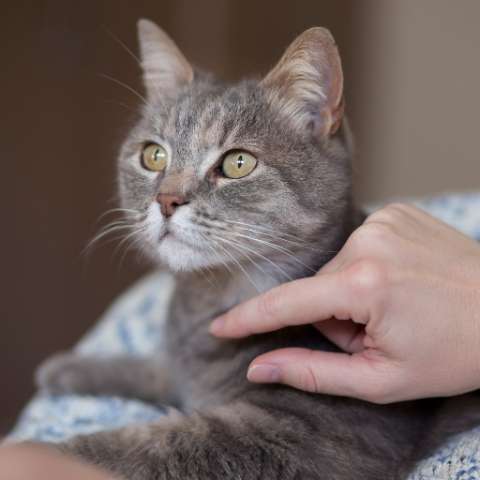
1. Feed Your Cat a Balanced, Nutritious Diet
Good nutrition is one of the foundations of a healthy feline life. Cats are obligate carnivores, meaning they need nutrients that come from animal-based sources.
Choose a complete and balanced cat food appropriate for your kitty's life stage, whether they're a growing kitten, a healthy adult, or a senior cat with changing nutritional needs.
Look for food that meets recognized nutritional standards, and consult your veterinarian if your cat has allergies, digestive sensitivities, weight concerns, or other health conditions.
Establish a Consistent Feeding Routine
Some cats do well with scheduled meals, while others benefit from carefully measured portions divided throughout the day. The best approach depends on your cat's individual needs and your household routine.
Measure portions according to your veterinarian's recommendations rather than relying solely on the feeding instructions printed on the package.
It's also important to monitor your cat's weight and body condition. Even a little extra weight can affect mobility and overall health.
Make Fresh Water Readily Available
Hydration is another essential part of feline nutrition.
Keep fresh water available in clean, accessible bowls throughout your home. Some cats prefer wide, shallow bowls, while others enjoy drinking from moving water.
If your kitty is fascinated by dripping faucets, you might enjoy our guide to cat water fountain benefits and whether fountains are worth it.
Wet food can also contribute moisture to your cat's diet, although dietary changes should be discussed with your veterinarian when medical conditions are involved.
Choose Treats Carefully
Treats can be a wonderful part of training, playtime, and bonding, but they should make up only a small portion of your cat's daily calories.
If you enjoy preparing something special for your kitty, explore our easy homemade cat treat recipes featuring plain cooked chicken, fish, and simple kibble bites.
And if cooking for your kitty inspires you to spend more time in the kitchen, our Ultimate Cat Lover's Kitchen Gift Bundle brings a little feline personality to your own everyday cooking. It's a gift set for humans who love cats, not a collection of pet-feeding equipment.
2. Schedule Regular Veterinary Visits
Even cats who spend their entire lives indoors need routine veterinary care.
Regular wellness examinations allow your veterinarian to monitor your cat's weight, teeth, heart, joints, and overall condition. They also provide an opportunity to identify potential health problems before they become more serious.
Your veterinarian can recommend an appropriate schedule for examinations, vaccinations, parasite prevention, and diagnostic testing based on your cat's age, lifestyle, and medical history.
Watch for Subtle Changes in Behavior
Cats can be remarkably good at hiding signs of illness, so small changes in their usual habits deserve attention.
Watch for changes in appetite, drinking, litter box use, grooming, activity level, or social behavior.
A kitty who suddenly hides more frequently, stops jumping onto favorite furniture, or becomes unusually vocal may be experiencing discomfort or another health problem.
Don't wait for dramatic symptoms before contacting your veterinarian.
Make Vet Visits Less Stressful
For some cats, the hardest part of a veterinary appointment is getting into the carrier.
Rather than bringing out the carrier only when it's time for an appointment, leave it accessible at home and help your cat associate it with comfortable bedding, treats, and positive experiences.
Our guide to getting your cat used to a carrier walks through a gradual training process that can make future trips easier.
Keeping a written record of your cat's medications, vaccinations, symptoms, and veterinary instructions can also be helpful, especially when more than one person helps with their care.
A dedicated notebook, such as our Cat Notebooks & Journals Collection, can be a fun way for cat-loving owners to organize care notes, appointment questions, and everyday observations.
3. Make Daily Playtime a Priority
Cats may spend a large part of the day sleeping, but that doesn't mean they don't need exercise and mental stimulation.
Playtime helps cats practice natural behaviors such as stalking, chasing, pouncing, and exploring. It also gives them an outlet for energy and provides opportunities to interact with their favorite humans.
Try Interactive Play Sessions
Wand toys, lightweight balls, puzzle feeders, and other appropriate cat toys can make playtime more interesting.
Move toys in ways that imitate prey, allowing your cat to stalk, chase, and occasionally catch their target.
Several short play sessions may work better than one long session, especially for kittens and older cats.
For additional ideas, read our guide to interactive cat toys and enrichment activities.
Keep Indoor Cats Mentally Stimulated
Indoor cats benefit from opportunities to explore and investigate their surroundings.
Window perches, climbing structures, puzzle feeders, cardboard boxes, and rotating toys can make everyday life more engaging.
You don't need to buy something new every week. Even rearranging familiar toys or creating a supervised cardboard-box play area can provide a little novelty.
Remember to put away string, ribbon, and other potentially hazardous items after playtime.
Make Playtime Fun for the Humans, Too
While your kitty enjoys their favorite toys, you can celebrate your love of cats with accessories designed for your own daily routine.
For example, our Cat Clothespin Photo Holder Set is a playful way to display pictures of your cat's funniest moments, favorite naps, and adorable expressions.
It's a small decorative touch that lets your feline friend remain the star of the household.
4. Keep Your Cat's Living Space Clean and Comfortable
A clean, predictable environment helps cats feel secure.
Start with the basics: scoop litter boxes daily, wash food and water dishes regularly, and keep your cat's sleeping and play areas free from unnecessary hazards.
Maintain Clean Litter Boxes
Place litter boxes in quiet, accessible locations where your cat can use them without being startled or interrupted.
Many feline behavior guidelines recommend providing one litter box per cat, plus one additional box, distributed throughout the home when practical.
Some cats are particular about litter texture, box size, cleanliness, and location. Pay attention to their preferences.
If your cat suddenly stops using the litter box, consult your veterinarian rather than assuming the behavior is intentional.
Provide Appropriate Scratching Surfaces
Scratching is a normal feline behavior that helps cats maintain their claws, stretch their muscles, and mark familiar areas.
Provide sturdy scratching posts or pads in locations your cat already enjoys.
If your kitty has developed an unfortunate attachment to your sofa, our article about how to stop cats from scratching furniture explains how to redirect the behavior without punishment.
Keep Everyday Cleanup Simple
Living with cats often means dealing with stray fur, scattered litter, water splashes, and the occasional mysterious mess.
For ordinary kitchen cleanup, our Keep Things Clean Cat Kitchen Sponges add a little feline charm to everyday chores. The set includes eight cat-shaped sponges with two cleaning surfaces.
They're designed for household kitchen use, so always choose appropriate pet-safe cleaning methods for litter boxes, food dishes, and other items your cat uses directly.
You can also explore our Cat Kitchen Essentials Collection for practical cooking and cleanup accessories for cat-loving households.
5. Give Your Cat Safe Spaces to Rest and Relax
Cats may love spending time with their humans, but they also need opportunities to retreat, rest, and feel secure.
Some prefer elevated perches where they can observe everything happening around them. Others enjoy enclosed beds, quiet corners, or sunny windowsills.
Providing several comfortable resting options allows your kitty to choose the environment that suits their mood.
Respect Your Cat's Need for Privacy
If your cat retreats to a favorite hiding spot, allow them to rest undisturbed unless you have a reason to be concerned about their health.
Teach children and visitors to respect your cat's boundaries, particularly when they're sleeping or hiding.
In multi-cat homes, provide enough resting places, food stations, water sources, and other resources so cats don't have to compete for everything.
Reduce Stress with Predictable Routines
Many cats feel more comfortable when their daily routines are relatively consistent.
Regular mealtimes, familiar resting spots, and predictable interactions can help reduce unnecessary stress.
If your cat seems anxious, defensive, or unusually reactive, our article about understanding and calming stressed or aggressive cats explores ways to identify triggers and create a more reassuring environment.
Create a Home That Celebrates Your Cat
Designing a comfortable environment for your kitty doesn't mean your home has to lose its personality.
Many cat owners enjoy surrounding themselves with little reminders of their feline family members, whether that's framed photographs, cat-themed kitchen accessories, or favorite keepsakes.
Our Cat Clothespin Photo Holder Set offers a fun way to display photos of your furry companions, while our Cat Home & Kitchen Collection includes decorative and practical accessories for the humans who share their homes with cats.
As always, keep decorative objects, electrical cords, small detachable pieces, and other potential hazards out of your cat's reach.
6. Make Grooming Part of Your Cat Care Routine
Cats are excellent self-groomers, but they can still benefit from a little help.
Regular brushing helps remove loose fur, may reduce tangles and mats, and gives you an opportunity to check your cat's skin and coat for unusual changes.
Long-haired cats often need more frequent brushing than short-haired cats, while senior cats or those with mobility problems may require additional assistance.
Brush Gently and Regularly
Choose grooming tools suited to your cat's coat type and use gentle, comfortable strokes.
Start with short sessions if your kitty isn't accustomed to being brushed.
Reward calm behavior with praise or an appropriate treat, and stop before your cat becomes frustrated.
Never pull forcefully on mats. Severe matting may require professional veterinary or grooming assistance.
Check Your Cat's Nails
Regular nail checks are especially important for indoor cats, senior cats, and cats who don't naturally wear down their claw tips.
Overgrown nails can become uncomfortable and, in severe cases, may curl toward the paw pads.
Our step-by-step guide to trimming cat nails safely explains how to make the process more comfortable for both you and your kitty.
Don't Forget Dental Health
Dental care is another important part of a cat's overall wellness.
Ask your veterinarian about dental examinations, appropriate brushing techniques, and products suitable for feline oral care.
Persistent bad breath, difficulty eating, drooling, or visible gum inflammation can be signs of dental disease and should be evaluated by a veterinarian.
7. Give Your Cat Plenty of Love and Positive Attention
One of the simplest ways to support your cat's happiness is to build a relationship based on trust, consistency, and respect.
Some cats love curling up in their owner's lap, while others prefer sitting nearby or following their favorite person from room to room.
Affection looks different for every cat, and that's part of what makes them so special.
Let Your Cat Choose How to Interact
Pay attention to your kitty's body language.
A relaxed posture, gentle head rubbing, and voluntarily approaching you may indicate that your cat welcomes attention.
Tail lashing, flattened ears, skin twitching, or attempts to move away can indicate that they've had enough.
Respecting those signals helps build trust and makes your interactions more enjoyable.
Spend Quality Time Together
Quality time doesn't have to mean constant activity.
For some cats, simply sitting together while you read, work, or watch television is a meaningful part of their day.
Others prefer interactive play, gentle grooming, or short training sessions using positive reinforcement.
Make room for the activities your cat genuinely enjoys rather than expecting every kitty to show affection the same way.
Celebrate the Little Moments
There's something special about the everyday moments we share with our cats: a sleepy stretch, a familiar purr, an enthusiastic greeting, or the way they somehow know when we need a little company.
Keeping a journal of your cat's milestones, favorite habits, and memorable moments can be a lovely way to preserve those memories.
Our Cat-Themed Notebooks & Journals Collection offers a variety of feline-inspired designs for recording memories, making notes, or simply celebrating your love of cats.
Bonus: Healthy Habits for Cat Owners, Too
Taking care of a cat also means developing routines that work for the people in the household.
Keeping a written feeding schedule, organizing veterinary information, and setting aside time for play can make everyday care easier.
It's also important to look after yourself. Staying hydrated, eating regular meals, and making time to relax can help you maintain the energy needed to care for your feline family.
For cat lovers who enjoy a little personality in their everyday accessories, our Cat Ear Insulated Water Bottle and Sparkly Cat Cup with Straw offer fun ways to keep your own drinks close at hand.
Both are designed for human use, and you'll find them in our Cat-Themed Drinkware Collection.
If you enjoy preparing meals or keeping your kitchen organized, the Ultimate Cat Lover's Kitchen Gift Bundle and Cat Kitchen Essentials Collection bring a little feline fun to your own cooking routine.
These accessories aren't substitutes for pet-care essentials, but they make thoughtful gifts for people who enjoy celebrating their cats in everyday life.
Frequently Asked Questions About Keeping Cats Happy and Healthy
How can I tell if my cat is happy?
Happy cats often display relaxed body language, maintain normal eating and grooming habits, engage in activities they enjoy, and interact comfortably with their surroundings. Every cat has a unique personality, so look for patterns that are normal for your individual kitty.
What are the most important things a cat needs to stay healthy?
Cats need complete and balanced nutrition, fresh water, regular veterinary care, clean litter boxes, safe resting areas, opportunities for natural behaviors, and appropriate social interaction.
How do I keep an indoor cat happy?
Provide climbing opportunities, scratching surfaces, interactive play, comfortable resting spots, and environmental variety. Our guide to interactive cat toys and enrichment includes additional ideas for keeping indoor cats engaged.
How much playtime does a cat need every day?
Playtime needs vary by age, health, and personality. Many cats enjoy several short sessions throughout the day. Watch your kitty's energy level and adjust activities to their abilities.
How often should cats visit the veterinarian?
Healthy adult cats generally benefit from at least annual wellness examinations, while kittens, senior cats, and cats with medical conditions may need more frequent visits. Follow your veterinarian's recommendations.
Should indoor cats still receive vaccinations?
Yes. Indoor cats may still need core vaccinations and other preventive care. Your veterinarian can recommend an appropriate schedule based on age, health, and exposure risks.
What is the best food for a healthy cat?
Choose a complete and balanced diet appropriate for your cat's life stage and individual medical needs. Your veterinarian can help you evaluate food choices, portions, and feeding schedules.
How can I encourage my cat to drink more water?
Provide clean water in several accessible locations, experiment with bowl shapes, and consider whether your kitty prefers moving water. Our guide to cat water fountain benefits explains when a fountain may be worth trying.
Are homemade cat treats healthy?
Homemade treats can be suitable occasionally when made with safe ingredients and appropriate portions. They shouldn't replace complete and balanced cat food. Explore our homemade cat treat recipes for simple preparation ideas and ingredient safety tips.
How often should I clean my cat's litter box?
Scoop litter boxes at least daily and clean them thoroughly as needed, depending on the litter type, number of cats, and individual preferences. Keep boxes accessible and monitor changes in litter box behavior.
Why does my cat scratch the furniture?
Scratching helps cats stretch, maintain their claws, and mark familiar areas. Provide appropriate scratching surfaces and reward their use. Read our guide to stopping furniture scratching for practical training suggestions.
How can I reduce stress in my cat?
Maintain predictable routines, provide quiet resting areas, and make sure your cat has access to important resources without competition. For more guidance, explore our article about understanding stress and aggression in cats.
How often should I groom my cat?
Grooming frequency depends on coat length, age, health, and your cat's ability to groom independently. Long-haired cats generally require more frequent brushing, while short-haired cats may need less assistance.
Do indoor cats need their nails trimmed?
Many indoor cats benefit from regular nail checks and occasional trimming. Older cats may need additional attention because their claws can become overgrown. Our cat nail-trimming guide explains the process.
How can I make vet visits less stressful for my cat?
Help your cat become comfortable with their carrier well before an appointment. Leave it accessible at home and introduce positive experiences gradually. Our cat carrier training guide provides seven practical steps.
Do cats need alone time?
Yes. Cats benefit from having safe places where they can retreat and rest without interruption. Respect your cat's preferences and avoid forcing interaction when they want space.
How do I keep multiple cats happy in one home?
Provide multiple feeding areas, water stations, litter boxes, scratching surfaces, and resting spots. Observe interactions and reduce competition for resources whenever possible.
How do I know if my cat is bored?
Possible signs include persistent attention-seeking, excessive activity at unusual times, or repeated attempts to engage with household objects. However, behavior changes can also indicate health problems. Consult your veterinarian if a change is sudden or concerning.
Can I keep a cat health journal?
Yes! Recording feeding habits, medications, weight, veterinary appointments, and behavior changes can make it easier to notice patterns and share information with your veterinarian. Browse our Cat Notebooks & Journals Collection for feline-inspired notebooks you can use for everyday care notes.
What are some practical gifts for cat owners?
Cat lovers often appreciate gifts that fit into their everyday routines. Our Cat Clothespin Photo Holder Set is a fun way to display favorite feline photos, while our Keep Things Clean Cat Kitchen Sponges add personality to household cleanup. You can also explore the Ultimate Cat Lover's Kitchen Gift Bundle for a practical cat-themed present.
Does spending time with my cat help our bond?
Yes. Positive interactions such as play, gentle grooming, and relaxed companionship can help strengthen trust. Pay attention to your cat's body language and let them choose how they prefer to interact.
A Happy, Healthy Cat Starts with Everyday Care
Keeping your cat happy and healthy isn't about being a perfect pet parent or buying every new cat accessory. It's about understanding your feline friend's needs and creating a routine that supports their physical and emotional well-being.
Nutritious meals, fresh water, veterinary care, playtime, a clean environment, comfortable resting places, and plenty of affection can all contribute to a fulfilling life for your kitty.
Remember that every cat is different. Some are energetic explorers, others are devoted lap cats, and many fall somewhere in between. The best care routine is one that respects your cat's personality while meeting their individual needs.
And while you're making life wonderful for your feline friend, don't forget to enjoy the little things that make sharing your home with a cat so special. From displaying favorite photos with our Cat Clothespin Photo Holder Set to adding feline charm to everyday routines with our Cat Kitchen Essentials, Happy Little Kitty is here to celebrate the joy of loving cats.
Because a happy, healthy cat isn't just a beloved pet. They're family, and every purr, playful moment, and peaceful afternoon together is worth celebrating.
Leave a comment